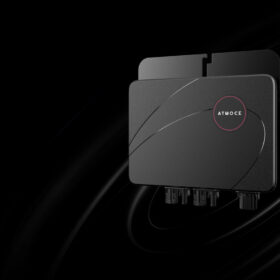
Atmoce debuts microinverter connecting two solar modules
Atmoce’s new MI microinverter series connects two PV modules per unit while still providing module-level power optimization.

Mexico updates distributed generation rules to formally integrate energy storage
The new provisions published by the country’s energy regulator are aimed to adjust the technical and administrative criteria for distributed generation, particularly with regard to energy storage, installed capacity limits, and interconnection procedures.
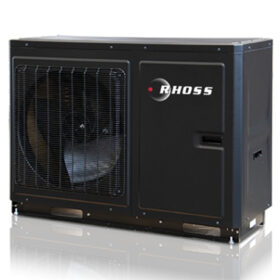
Rhoss unveils propane air-to-water heat pump for residential, small commercial applications
The Italian manufacturer has launched a compact range of propane air-to-water heat pumps for heating, cooling, and domestic hot water in residential and light commercial applications, offering up to 15.5 kW heating capacity, a seasonal coefficient of performance of up to 5.18, and water temperatures up to 80 C.
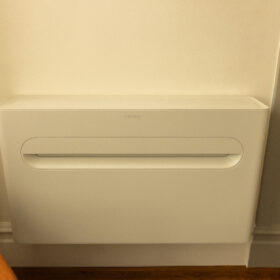
U.S. startup debuts low-cost, plug-and-play indoor heat pump for residential use
San Francisco-based Merino Energy has launched the Merino Mono, a plug-and-play indoor heat pump that can be installed in under an hour and is priced at a flat $3,800 including installation.

Turkish manufacturer presents photovoltaic water heater
Adana-based WHS introduced a PV-powered water heating system that operates without an inverter, using 1.6 kW of direct DC solar input with integrated MPPT. The system supports hybrid operation with a 2 kW AC backup, runs at extra-low voltage of less than 50 V, delivers around 3 kWh/day of thermal energy, and heats water to 65–85 C for residential and small commercial use.
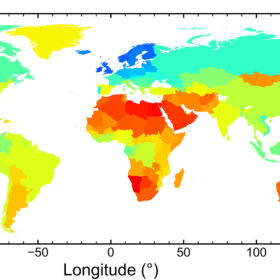
Solar PV Capex could fall to $192/kW by 2050
A review of 60 renewable energy studies finds that by 2050, solar PV and wind could supply 80–100% of electricity, but overly conservative Capex assumptions and simplified PV modeling often underestimate deployment potential. While future PV costs depend on supply chains and geopolitical risks, historical experience suggests medium-term risks are manageable, and material constraints are being resolved.
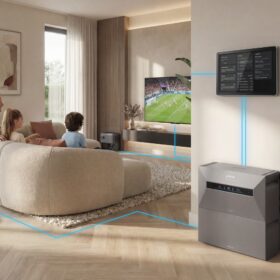
Anker Solix launches 7 kWh plug-in battery targeting rooftop solar retrofits
The new Anker Solix Solarbank Max AC steps up from balcony-scale storage with a 3.5 kW inverter, plug-in capabilities for do-it-yourself (DIY) ease of installation, and expandability to 42 kWh, priced from €2,229.

UK opens door to plug-in solar boom
In its first monthly column for pv magazine, experts from UK-based consultancy Ricardo, part of the WSP Group, explain how UK will soon allow low-cost plug-in solar panels under 800 W to be installed without a qualified electrician, making home solar more affordable and accessible. These portable systems, expected on sale by summer 2026, could significantly boost household solar adoption while complementing the country’s wider renewable energy growth.

AI-enabled hacks expose remote shutdown risk in microinverters
IT security firm Jakkaru has identified a vulnerability in microinverters from AP Systems that could enable a “kill switch” scenario, potentially shutting down tens of thousands of inverters simultaneously and disrupting grid operations.

Greece installs 1.9 GW of PV capacity in 2025
Greece installed around 1.9 GW of new solar capacity in 2025, bringing total installed solar capacity to roughly 11.5 GW, according to industry estimates.
