
Cornex unveils new 165 Ah sodium-ion prismatic cell for stationary energy storage
A new sodium-ion cell for ESS may further improve competitiveness in large-scale systems against the weight of the lithium-ion battery sector.
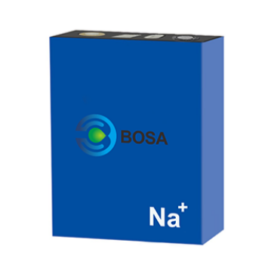
Sodium-ion cells launched for energy storage by another Chinese mid-tier battery company
Bosa Energy in Hubei, China, has launched sodium-ions cells for stationary energy storage, with a volumetric energy density of 206 Wh/L
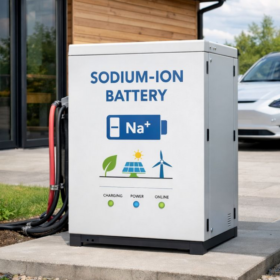
NanoMalaysia unveils sodium-ion prototype surpassing 300 Wh/kg
The new prototype ranks among the most advanced sodium‑ion battery systems reported worldwide.
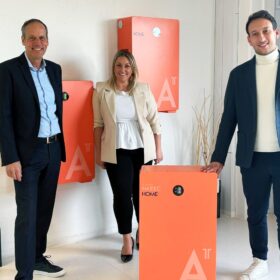
Austria’s Accupower launches residential sodium-ion battery
The Natec Home has a nominal capacity of 7.68 kWh and a power output of 3.8 kW, and allows parallel connection of up to 15 units. The reference price is set at €3,990.
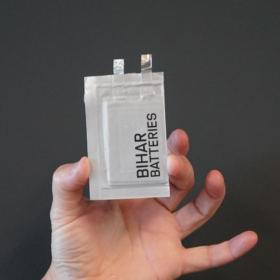
All European sodium-ion battery manufacturers at a glance
The European Economic and Social Committee (EESC) will place sodium batteries at the center of its work on the EU’s industrial strategy and is calling for swift action. pv magazine has compiled a list of manufacturers developing this technology in Europe.
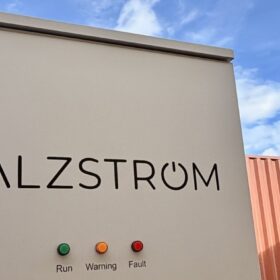
Austria’s Salzstrom unveils sodium-ion storage system for commercial applications
The new SALT 110 battery storage system from the Vienna-based company has a usable capacity of up to 110 kWh. The storage system is reportedly capable of 6,000 charge cycles at a depth of discharge of 95%.
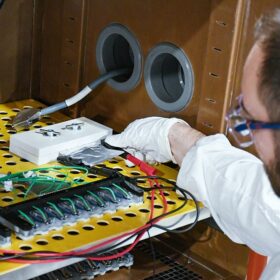
German researchers develop sodium-ion battery based on lignin
German researchers have developed a sodium-ion battery technology using lignin-based hard carbon as the negative electrode. The 1 Ah battery cell prototype showed no significant degradation after 100 charging and discharging cycles.
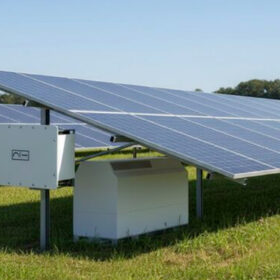
Moonwatt brings DC-coupled, passively cooled sodium-ion tech to solar projects
The Dutch start-up, founded by former Tesla leaders, is taking a novel approach to sodium-ion battery technology, optimizing it for integration with solar power plants. Its technology is set to be deployed for the first time in a Dutch solar-plus-storage project later this year.
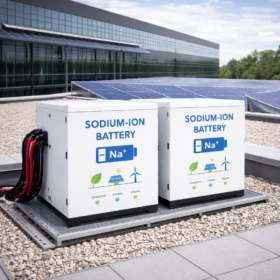
Sodium-ion batteries now competitive in niche markets
Sodium‑ion batteries are emerging as a safer, lower-cost alternative to lithium‑ion, with a recent international study highlighting their competitiveness in stationary energy storage. The research shows that ongoing investment and supply-chain development could enable broader adoption within the next decade.

Scientists design low-cost sodium-ion battery with cheap electrode materials
Conceived for stationary energy storage, the proposed sodium-ion battery configuration relies on an P2-type cathode material and an hard carbon anode material that reportedly ensure full-cell performance. Electrochemical testing revealed initial capacities of 200 mAh/g for the cathode and 360 mAh/g for the anode with capacity retentions of 42% and 67.4% after 100 cycles.
