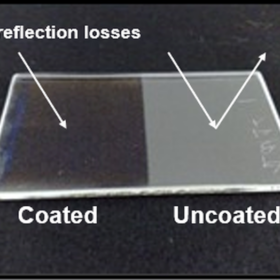
Porous silica-based anti-reflective coating increases PV glass optical transmission by 5.2%
Researchers in Spain developed a porous silica anti-reflective coating for solar panels that boosts optical transmission while balancing durability and mechanical stability through optimized sol–gel chemistry.

Cyber threats for PV: What are credential compromise attacks and how do they work
Credential compromise attacks allow adversaries to gain unauthorized access to PV systems by stealing or guessing valid login credentials, enabling them to manipulate operations, disrupt monitoring, or take control of critical assets. These attacks can lead to operational instability, reduced energy production, and safety risks, making strong authentication and access control essential for system resilience.

Free midday electricity key to drive consumer demand to match excess PV generation
Free midday electricity schemes aim to shift household demand into periods of high solar PV generation, reducing midday surplus and evening fossil-fuel ramp-up. Research on Australia’s Solar Sharer program suggests such incentives could significantly improve renewable utilization, but outcomes depend on consumer behaviour, load shifting, and rebound effects.
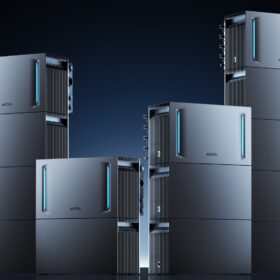
Mova unveils all-in-one plug-in solar and storage solutions
Entering a competitive small-scale energy storate field is Chinese maker Mova, well-known for its kitchen applicances and growing robotic homewares including vacuums and more.

Tunisia launches 200 MW call for PV projects under new licensing scheme
The Tunisian government is inviting private developers to submit applications for solar power plants under the sixth licensing round for full electricity sale to national utility STEG.
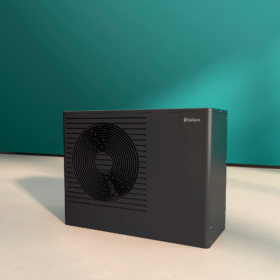
Vaillant launches space-saving residential heat pump
The German manufacturer said that its new air-to-water heat pump system uses propane as a refrigerant and is available in three variants with outputs of 5 kW, 7 kW, and 11 kW. The new product can reportedly achieve a coefficient of performance of up to 4.93.
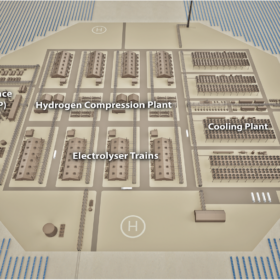
Australian developer moves ahead with modular green hydrogen production plant
Intercontinental Energy, the company driving two of Australia’s largest renewable energy projects, has announced key milestones for the system architecture that is to serve as the backbone for the proposed giga-scale green hydrogen projects.
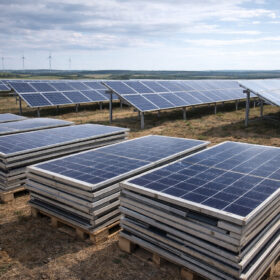
How to generate hydrogen at home with recycled solar panels
Scientists in Chile have developed a low-cost, easy-to-deploy hydrogen system powered by end-of-life solar panels. The residential solution reportedly achieves a levelized cost of hydrogen of approximately $5.8/kg.

Omani company to build 500 MW of solar in Botswana
Oman’s Naqaa Sustainable Energy LLC is set to design, finance, construct and operate a 500 MW solar project in northwestern Botswana. A groundbreaking ceremony is scheduled to take place later this week.

Dominican Republic opens bids for 600 MW renewables tender
The nation’s latest call for long-term power purchase agreements focuses on supplying the national grid with wind and solar projects, specifically mandating integrated battery storage systems to ensure grid resilience.
