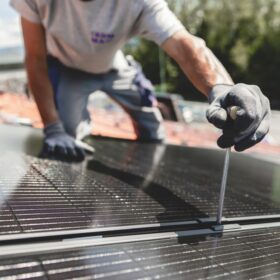
1komma5° acquires Australia’s Arkana Energy
German solar tech developer 1komma5° has strengthened its presence in the Australian market with the acquisition of Arkana Energy Group.
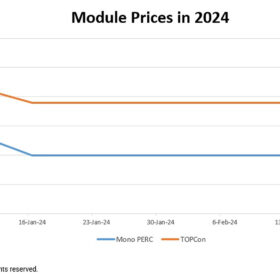
Module prices steady as market mulls price hikes
In a new weekly update for pv magazine, OPIS, a Dow Jones company, provides a quick look at the main price trends in the global PV industry.
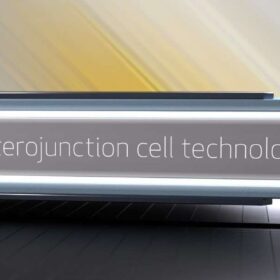
REC launches 430 W heterojunction solar module with 22.2% efficiency
REC has developed a new series of residential heterojunction solar panels with efficiencies ranging from 20.6% to 22.2% and an operating temperature coefficient of -0.24% per degree Celsius.
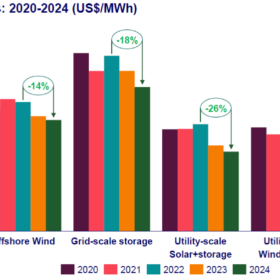
Utility-scale PV cheapest power source in Asia Pacific, says WoodMac
Wood Mackenzie says the levelized cost of electricity (LCOE) in the Asia-Pacific region hit an all-time low in 2023, as utility-scale PV beat coal to become the cheapest power source. It predicts a further drop in costs for new-build solar projects, driven by falling module prices and oversupply from China.
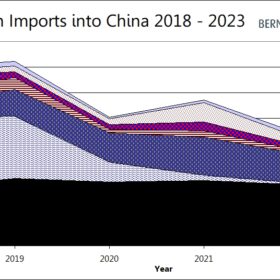
Polysilicon shipments into China fall to lowest level since 2011
Bernreuter Research says the volume of polysilicon shipments into China dropped 28.5% year on year in 2023 to the lowest level since 2011. It predicts that imports could fall by another 40% this year.
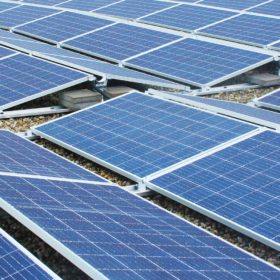
Serbia to auction at least 400 MW of wind, solar
The Serbian government plans to launch its second renewables auction this year in a bid to procure at least 400 MW of wind and solar power.

U.S. startup offers solar kit for VIPV applications
Worksport, a U.S. technology company, has announced a protective cover for pickup trucks fitted with solar PV modules. The kit includes a battery and an inverter and is meant to be a portable power source for leisure activities, such as camping, or as a temporary backup to recharge electronics or small appliances during power outages.
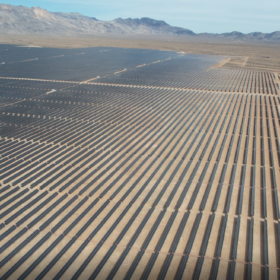
Solar at ‘twice the natural capacity factor of the sun’
Eland Solar 2 and Skeleton Creek are two high-capacity factor renewable power plants moving through development.
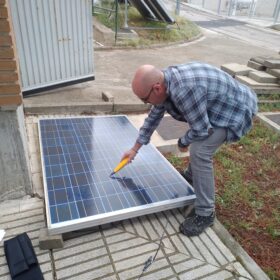
New method to repair ribbon busbar interruptions in PV panels
A Spanish research team has developed a set of techniques to repair ribbon busbar interruptions in PV panels without resorting to expensive electroluminescence images. The scientists warned that the proposed approach should not be used with modules that did not pass some basic safety tests.
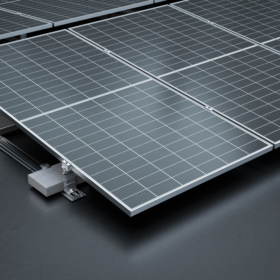
Aerocompact releases new portrait mounting system
Austrian manufacturer Aerocompact has developed the SN2 Q PLUS solar mounting system, which can support PV modules measuring up to 1,310 mm x 2,500 mm. It has an installation angle of between 5 degrees and 10 degrees.
