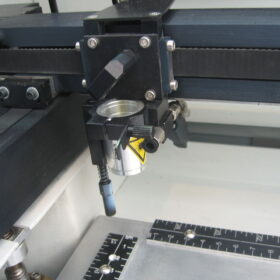
Laser optimization for half-cut solar cells
Scientists in Korea examined the parameters of laser ‘scribe and break’ processes used to cut silicon cells, in search of optimizations to reduce damage caused at the cut edges. They also found that varying encapsulant thickness or even adding a supportive rail across the back of a module can help reduce performance loss caused by cell cutting damage.
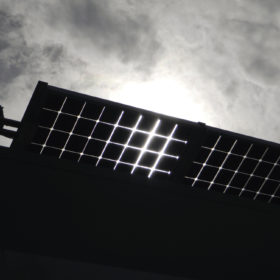
New guidelines for albedo measurements aim to reduce uncertainties in bifacial PV yield estimates
Spanish researchers have defined practical guidelines for short-term ground-based albedo measurements that reportedly entail a maximum of 1.5% yield uncertainty contribution for utility scale bifacial solar PV plants.
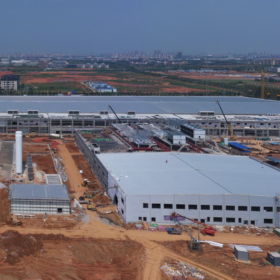
Chinese PV Industry Brief: GCL-Si opens 20 GW solar cell factory
GCL-Si says it has commissioned a new 20 GW solar cell factory that will supply n-type TOPCon cells to its module facilities in Hefei, Anhui province, and Funing, Jiangsu province.
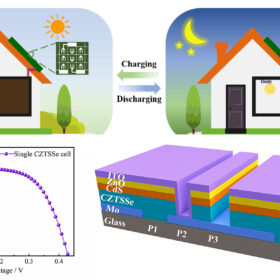
New solar window prototype based on kesterite photovoltaic cells
A research team in China combined solar power generation from kesterite thin-film generation with a nickel-cobalt bimetal oxide (NiCoO2) electrochromic window. The proposed prototype not only realizes the function integration of self-power and intelligent solar radiation adjustment, but also extends its function to energy storage.
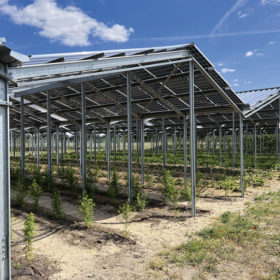
Croatia adopts legal framework for agrivoltaics
The Croatian government has adopted bylaws to the Spatial Planning Act that define agrivoltaic installations and the areas in which they can be deployed, in order to facilitate future deployment.
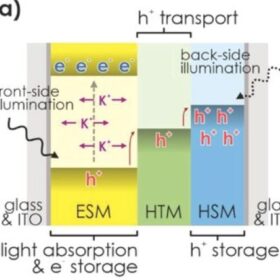
Solar batteries with simultaneous light absorption, storage
Scientists at the Max Planck Institute for Solid State Research have developed a bifunctional solar battery device that enables simultaneous light charging, charge storing, and electric discharging. The device relies on a bifunctional carbon nitride photoanode to harvest sunlight and store its energy via trapped electrons.
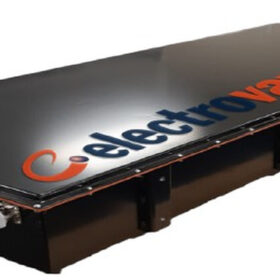
Electrovaya unveils battery tech for high voltage applications, stationary energy storage
The Canadian battery manufacturer offers the product in two versions with a nominal energy of 35 kWh and 70 kWh, respectively. It claims a projected 25-year lifetime for one-cycle per day applications.
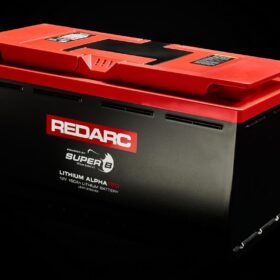
Redarc unveils 150 Ah lithium battery
The Alpha 150 battery, produced in the Netherlands by Australian electronics manufacturer Redarx, has a lifespan of more than 5,000 cycles and a continuous discharge rating of 200 A.
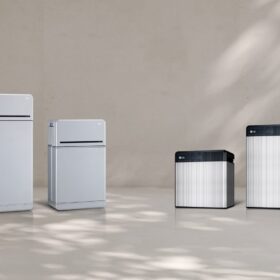
LG launches residential hybrid inverters for European market
South Korea’s LG Energy Solution says its new hybrid inverters are suitable for high-voltage and low-voltage configurations.
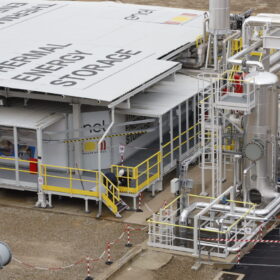
Brenmiller, Waaree Energies to deploy thermal energy storage projects in India
Brenmiller’s bGen system heat crushes rocks and then stores that thermal energy for minutes, hours, or days. The stored heat energy can be used to produce energy in the form of steam for electricity, water, or hot air for industrial applications.
