




From ESS News
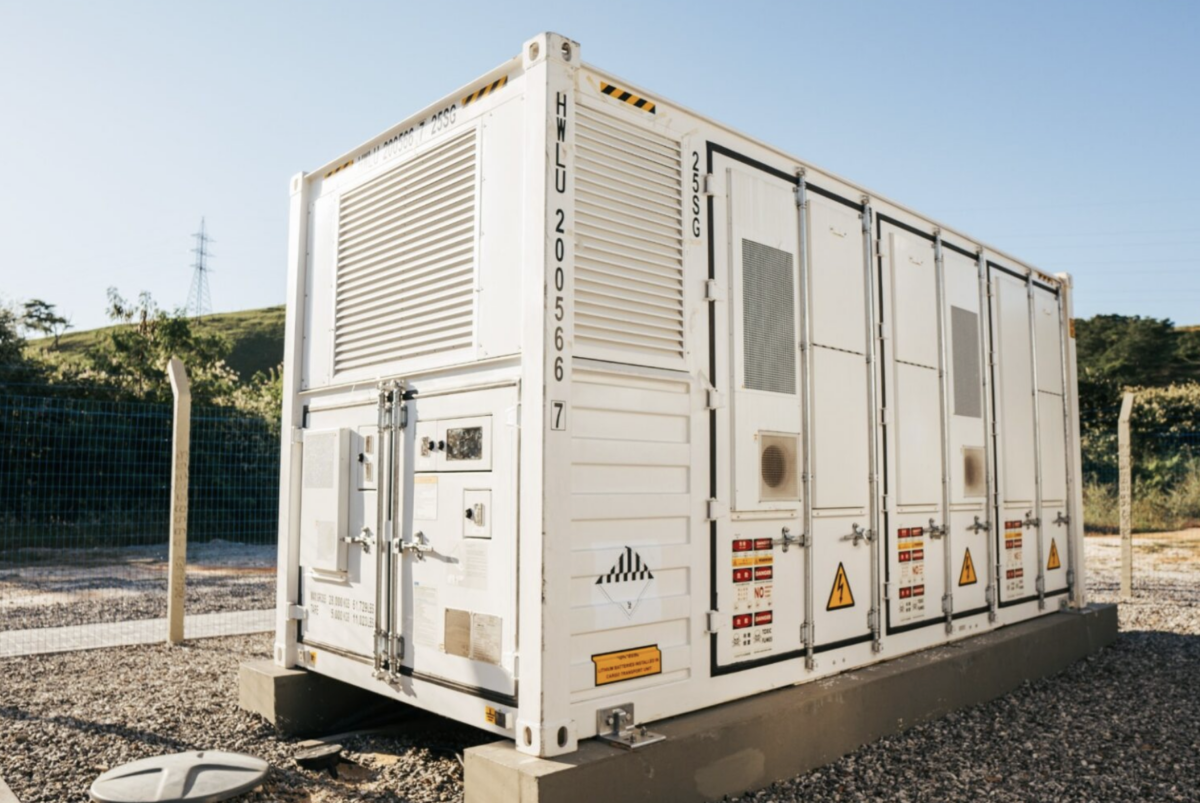
The adoption of energy storage technology such as lithium-ion batteries and pumped hydro could reduce the average cost of the Brazilian electricity system by up to 16% in 2029, in addition to contributing to reliability and enabling a greater share of renewables without increasing dependence on fossil-fuel thermoelectric plants.
Those estimates were included in the study “Accelerating the Brazilian Energy Transition: Comprehensive Energy Storage Meta-Analysis for Brazil,” which analyzes the role of energy storage systems (ESS) in the country’s energy transition. The report examines technical, economic, and regulatory measures that could enable the adoption of energy storage in the electricity sector at a time when solar and wind power generation are expanding.
The study states lithium-ion batteries and pumped hydro sites can solve operational problems in the Brazilian electricity system, especially loading ramps and the curtailment of renewable energy sources such as solar and wind, in addition to providing ancillary services.
To continue reading, please visit our ESS News website.
This content is protected by copyright and may not be reused. If you want to cooperate with us and would like to reuse some of our content, please contact: editors@pv-magazine.com.

By submitting this form you agree to pv magazine using your data for the purposes of publishing your comment.
Your personal data will only be disclosed or otherwise transmitted to third parties for the purposes of spam filtering or if this is necessary for technical maintenance of the website. Any other transfer to third parties will not take place unless this is justified on the basis of applicable data protection regulations or if pv magazine is legally obliged to do so.
You may revoke this consent at any time with effect for the future, in which case your personal data will be deleted immediately. Otherwise, your data will be deleted if pv magazine has processed your request or the purpose of data storage is fulfilled.
Further information on data privacy can be found in our Data Protection Policy.