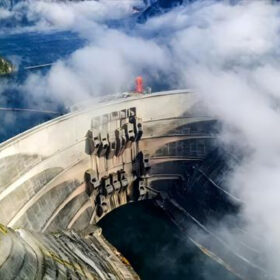
Huaneng energizes 5.4 GW hydro-solar complex in southwest China
Huaneng has commissioned the 5.43 GW Xiaowan Hydropower–Solar Hybrid Project in Yunnan, combining 4.2 GW of hydropower and 1.23 GW of solar under a coordinated “hydro–solar intelligent control” system integrating 16 PV plants.
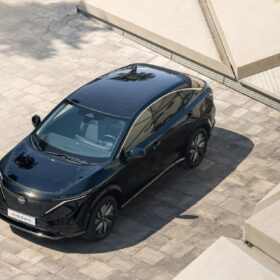
Oxford PV says tandem solar could add up to 5 km to daily EV range
Oxford PV has joined Nissan’s SUITE consortium, advancing perovskite-silicon tandem solar tech that could boost vehicle-integrated solar EV range by an additional 3–5 km per day and push total daily solar driving range toward 15–20 km.
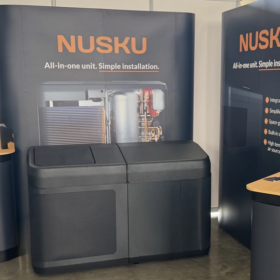
UK startup showcases all-in-one water cylinder heat pump prototype
Nusku has developed a prototype of a fully integrated air-source heat pump system that combines the heat pump with a hot water cylinder and controls into a single outdoor unit. The design aims to simplify installation and reduce space requirements by replacing separate indoor and outdoor components with one pre-packaged system.

Australia’s energy commission targets lower solar curtailment
Australia’s Energy Market Commission says introducing a new distribution planning framework and undertaking enhanced data reporting will help to reduce rooftop solar curtailment.

AccelerateEU backs 200 GW storage goal but omits dedicated mechanism
The European Commission’s AccelerateEU energy crisis plan endorses a 200 GW battery storage target for 2030 but proposes no dedicated financing mechanism to reach it, according to SolarPower Europe (SPE), which is calling for a separate EU-wide auction funded by emissions trading revenues.

Israeli storage developer moves into solar EPC with majority stake deal
Airengy Ltd., listed on the Tel Aviv Stock Exchange, has signed a memorandum of understanding to acquire a 51% stake in Green-Go, an Israeli PV developer and engineering, procurement, and construction (EPC) contractor with expertise in agrivoltaics.
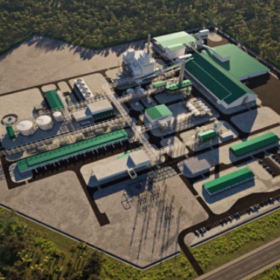
The Hydrogen Stream: Atome builds $665 million green hydrogen-based fertilizer plant in Paraguay
Atome PLC has taken Final Investment Decision on a 60,000 tpa green hydrogen-based fertilizer plant in Villeta, Paraguay. The $665 million project is financed by DFIs and equity partners and is targeting production by 2029.

Colombia reopens long-term energy contracting with new renewables auction
Colombia has launched a 15-year auction scheme to procure solar, storage, and hybrid capacity, with delivery starting in 2030. The mechanism introduces time-of-use products and aims to improve reliability while expanding renewable energy uptake.
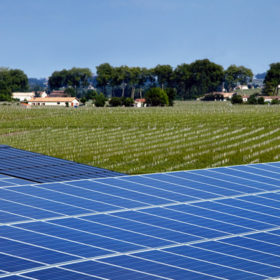
France streamlines renewables environmental permitting with new provisions
Published in the French Official Journal on April 22, a new decree aims to speed up the handling of appeals against strategic environmental projects, particularly in the renewable energy sector. It introduces direct access to administrative courts of appeal and tightens rules on deadlines and procedures for challenging projects.
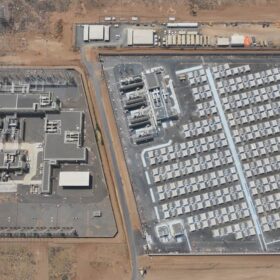
Saudi Arabia launches qualification process for 12 GWh of battery storage projects
The program comprises six projects with a cumulative power output of 3 GW, each designed to provide four hours of storage duration.
