
Morocco finally unlocks solar self‑consumption
Morocco has published the implementing decree for Law 82‑21, enabling self-producers to consume their own solar power and sell up to 20% of surplus energy back to the grid. The measure, effective 9 June 2026, sets clear tariffs and grid limits.
India’s PV module manufacturing capacity tops 210 GW
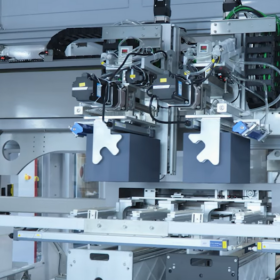
India added 119 GW of solar module capacity and over 9 GW of cell capacity in 2025, bringing total capacities to about 210 GW and 27 GW, respectively, according to Mercom India. Growth was driven by strong project demand and policy support, although supply-demand alignment is expected later in 2026 as domestic cell production ramps up.

UAE installs around 1 GW of solar in 2025
Analysis from GlobalData finds the UAE’s cumulative solar capacity increased from 5.7 GW to around 6.7 GW last year. The country’s annual solar deployments are forecast to increase in the coming years, with 20 GW of installed solar expected by the end of the decade.

Albania adds over 180 MW of solar in 2025
Albania’s cumulative solar capacity now likely stands between 600 MW and 650 MW, with installations to date led by the utility-scale segment and growing interest from the C&I market.

Japan adds 5.8 GW of solar in 2025
Estimates indicate Japan added between 5.8 GW and 6 GW of solar last year, likely taking the country past 100 GW of cumulative solar capacity. Last year’s installations were led by the commercial and industrial market, while the residential sector also saw increased demand.

Estonia deploys 105 MW of solar in 2025
Estonia’s cumulative solar capacity reached around 1,430 MW by the end of last year. Year-on-year installations slowed as the country’s solar market begins to saturate, with future growth expected to be driven by supplementing solar parks with batteries.
South Korea eases solar siting rules to cut permitting delays for PV projects
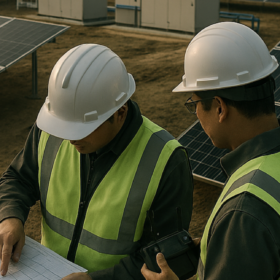
South Korea has passed legislative amendments to limit the ability of local authorities to impose separation distances on solar projects, removing a major permitting barrier for PV developers.

Moldova installs 315 MW of solar in 2025
Moldova had a record year for solar deployment last year, taking cumulative capacity to 710 MW. There is now just under 1 GW of renewables installed in the country.
Philippines mandates energy storage for renewables plants over 10 MW
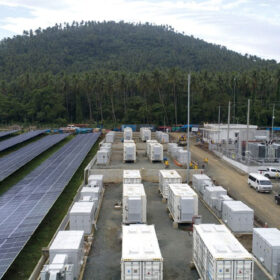
Department of Energy (DOE) order sets out new rules for mandatory energy storage, including a minimum capacity of at least 20% of the generating plant’s installed capacity. DOE also calls for energy storage systems (ESS) installations to have grid supporting capabilities, such as grid-forming inverters to help stabilize voltage and frequency.

Greece to open applications for 130 MW agrivoltaics plan
Greece’s distribution grid operator will begin accepting applications for agrivoltaic systems on March 4, marking the first step in implementing a new law targeting 130 MW of capacity nationwide.
