
Large-scale heat pumps utilize excess heat from Microsoft data centers in Finland
Finnish energy company Fortum has switched on two industrial-scale heat pumps in southern Finland that will utilize excess heat from two local data centres belonging to Microsoft from next year. The company states data centre waste heat could cover around 40% of the total 2 TWh annual district heating demand of users in the area.
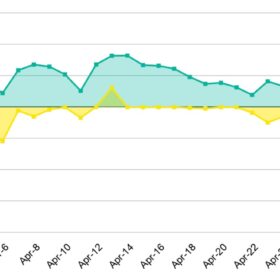
Negative electricity prices in France hit a new record
Negative electricity prices are making a strong comeback in the French energy market. Driven by rising photovoltaic output and reduced nuclear flexibility, they dominated much of April, often falling close to the regulatory floor.
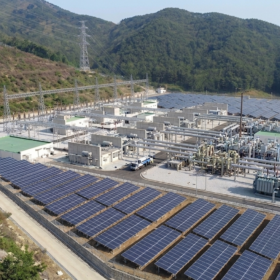
South Korean utility to install 95 MW of solar at substations by 2030
Korea Electric Power Corp. (KEPCO) says it will install 95 MW of solar capacity across 500 substation sites nationwide by 2030, using surplus substation land to meet South Korea’s K-RE100 public-sector renewable energy target.

Argentine football turns to photovoltaics
Two of Argentine’s most popular football clubs – River Plate and Vélez Sarsfield – are advancing solar energy projects at their Buenos Aires stadiums to cut operating costs and expand on-site renewable generation.
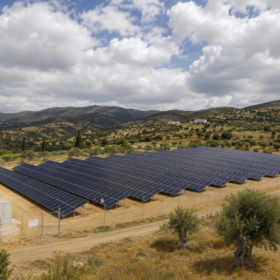
Curtailment, negative prices push Greek small- and medium-sized PV asset owners toward bankruptcy
Continuous negative and zero wholesale electricity prices, weak demand, and Greece’s inadequate energy storage policy are leaving small- and medium-sized PV investors exposed, despite abundant solar resources.

Texas PV module production to exceed 15 GW in 2026
Propelled by a select group of high-capacity manufacturers including T1 Energy and Canadian Solar, Texas is set to exceed 15 GW of solar PV module production in 2026, accounting for nearly half of all U.S. silicon-based manufacturing and serving as the primary hub for the inaugural Solar Manufacturing USA conference in Austin this September.
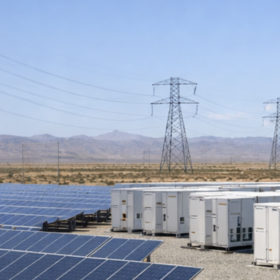
Firm solar and storage costs fall to $54/MWh, says IRENA
A new report by the International Renewable Energy Agency (IRENA) finds that round‑the‑clock solar and wind paired with battery storage deliver power at lower cost than new fossil fuel generation in high‑quality resource regions.
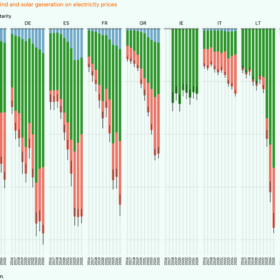
Renewables growth cut Spain’s electricity bills by 24.2% over the past two years
Spain and Portugal are 53% less exposed to gas price volatility than they were three years ago, according to a new report from Positive Money.
Solar and storage expected to drive 86 GW capacity surge in the U.S. this year
New federal data shows solar and battery assets will comprise nearly 80% of all new utility-scale power additions planned for the U.S. electric grid this year.

China tightens carbon accountability framework, strengthening structural push for renewables
Beijing has introduced a stricter national carbon evaluation system that formally holds provincial governments accountable for emissions reduction and energy transition targets.
