
Hanwha Q Cells begins selling its solar panels based on M6 wafers in Europe
The Q Peak Duo XL-G10 panel series is based on monocrystalline ‘Qantum’ half cells and is the company’s first panel relying on M6 wafers.
Large scale solar reaches €0.02737-04939/kWh LCOE in Sweden
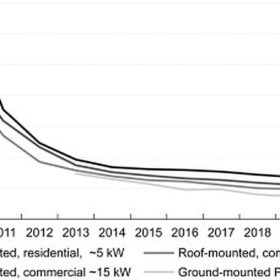
New research from Sweden showed that financing conditions and the choice of location are crucial factors in reducing the levelized cost of energy for utility scale solar parks built without subsidies in the Scandinavian country. According to the researchers, the project with the lowest LCOE in Sweden, of €0.02737/kWh, is a plant with an expected lifetime of 45 years, a 2% annual degradation rate, capex of €703,758 per megawatt installed, a yearly fixed operations and maintenance cost of €11,277 per megawatt, and a nominal weighted average cost of capital per annum of 0.2%.
Ayana, Greenko partner on 6GWh of pumped-hydro storage
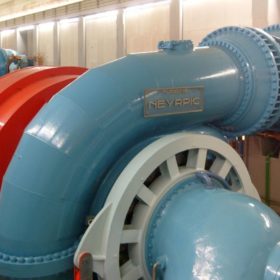
Greenko Group has agreed to provide Ayana with 6GWh of pumped-hydro storage capacity from its project in the Indian state of Andhra Pradesh.
Argentinian oil supplier starts construction on 300MW solar park
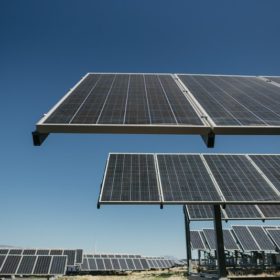
The Parque Solar Zonda project is expected to be built by Yacimientos Petrolíferos Fiscales (YPF) in three 100 MW phases and to require a total surface of 300 hectares.
Australia passes 25GW of installed PV
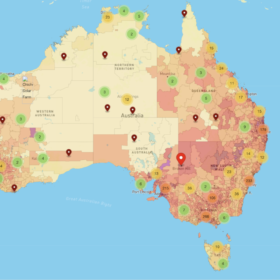
Australia has hit a historic milestone – it has reached 25GW of installed solar capacity. As the Australian PV Institute noted on Monday, that’s more solar per capita than anywhere else in the world.
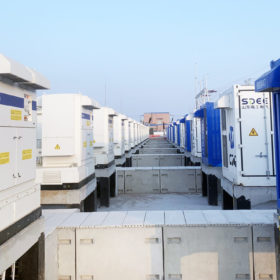
Sineng Electric energizes 100MW/200MWh storage facility in China
The project is relying on Sineng’s 3.15MW turnkey battery stations EH-3150-HA-UD 35 and is the first phase of a 300MW/600MWh that the Chinese state-owned power company China Three Gorges Corporation is building in China’s Shandong province.
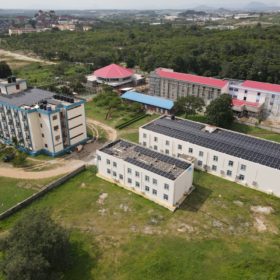
Rising electricity bills in Nigeria drive demand for solar
Commercial and industrial PV installer Starsight Energy says business is on the up thanks to rising wholesale energy costs in the country.
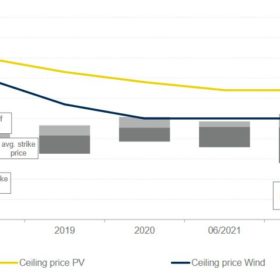
Latest Polish renewables auction shows momentum of unsubsidized solar
Recent analysis from German consultancy Enervis has shown that only 40% of the electricity to be generated by solar capacity in Poland’s latest auction for utility scale renewables will be sold under the exercise’s contracts for difference regime, and that the remaining share will be sold under bilateral power purchase agreements or to the spot market.
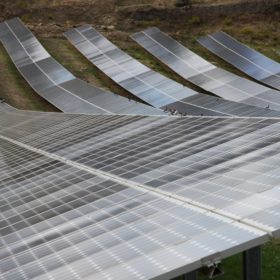
New poly fabs could head off first-half solar project slowdown
Norwegian analyst Rystad Energy has warned the solar industry could suffer the same effects of rising input prices as onshore wind developers grappling with ever more costly steel, with much hinging on how much solar panel raw material polysilicon can be manufactured.
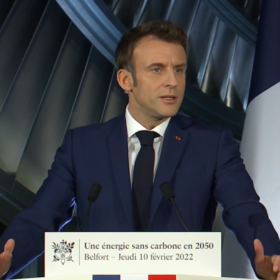
France announces 100GW solar target for 2050
France has set a new target under which it will install 5GW of new PV capacity per year.
