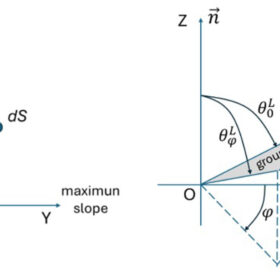
New simulation tool to measure angular losses in PV systems
Researchers in Spain reviewed six models used to calculate incidence angle modifier (IAM) losses in photovoltaic systems. They identified the Martín-Ruiz model as the most comprehensive, as it uniquely accounts for additional angular losses caused by soiling.

Field trial shows third-party control of residential heat pumps can provide grid flexibility
UK researchers find that smart, centrally controlled air-source heat pumps could slash peak electricity demand. The technology not only keeps homes comfortable but also boosts grid flexibility and cuts emissions.

GSE Intégration debuts reversible, concrete-free solar mounting in France
GSE Intégration has introduced a new version of its ground-mounted photovoltaic structure, the GSE Ground System Evolution. It is designed for faster installation and compliance with France’s soil conservation laws.
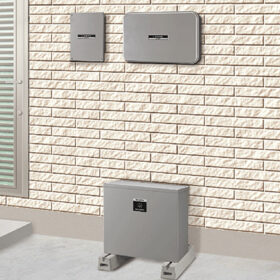
Japanese utility uses Sharp PV-linked home batteries for grid balancing
Japanese utility Tohoku Electric Power is using Sharp’s residential batteries and AI-powered energy management systems to balance grid demand and optimize household solar energy use. Customers in the program can earn points redeemable for local products.

Four-year testing finds heat pumps run efficiently even in older homes
Researchers at Fraunhofer ISE have tested various types of heat pumps in existing buildings across Germany over four years, finding that the systems achieved seasonal performance factors between 2.6 and 5.4. The team also showed that PV-driven heat pumps can boost self-consumption rates, particularly when paired with battery storage.

Florida utility on pace to reach 93 GW solar, 50 GW storage by 2045
While utilities in neighboring states are “dabbling” with solar, Florida Power & Light is combining solar and storage as a “workhorse” technology, said a nonprofit executive.

Morocco distributed solar potential pegged at 28.6 GW
Morocco could install up to 28.6 GW of distributed solar, producing 66.8 TWh of electricity and creating a $31 billion market, according to new research that calls for rapid regulatory action to unlock this potential.
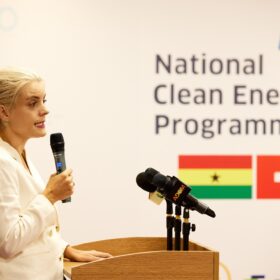
Ghana, Switzerland partner on $200 million rooftop solar rollout
Ghana’s new clean energy program, backed by Switzerland’s Klik Foundation, will install 4,000 rooftop systems totaling 137 MW to expand renewable capacity and cut emissions.

French startup launches cleaning robots for solar PV shade structures
Solar panel cleaning equipment company Objectif Drone has launched a new 7 kg dual-brush cleaning robot with a speed of 5 km/h made for small and medium-sized PV installations.
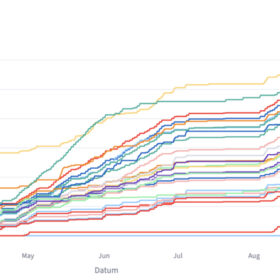
Europe faces surge in negative power prices as solar output grows
Sweden, the Netherlands, Germany, Spain, and France have each logged more than 500 hours of negative electricity prices this year, driven by excess renewable generation and volatile weather.
