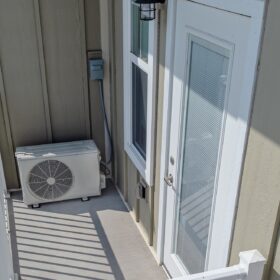
South Korea sets 3.5 million heat pump target in national decarbonization push
The South Korean government says it will deploy incentives, legal changes and industry backing to scale heat pump adoption nationwide, aiming to cut emissions from fossil fuel–dependent heating by the mid-2030s.

Germany brings world’s first supercapacitor STATCOM online
Germany has connected the world’s first supercapacitor-based STATCOM to the grid, with Siemens Energy and transmission system operator TenneT positioning it as a blueprint to replace fossil-fuel generators in providing instantaneous reserve and reactive power.
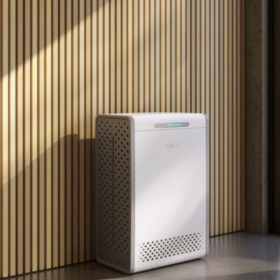
Hungary launches $305 million subsidy for residential battery storage
The Hungarian government says its new HUF 100 billion ($305.4 million) program will support 10 kW home battery systems to boost solar self-consumption and cut evening-peak demand.
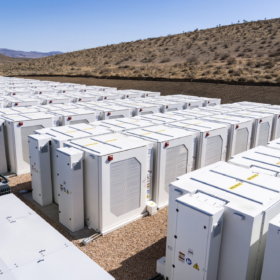
Batteries now cheap enough to make dispatchable solar economically feasible
Energy think tank Ember says utility-scale battery costs can now achieve a levelized cost of storage of $65/MWh outside China and the United States, enabling solar power to be delivered when needed.
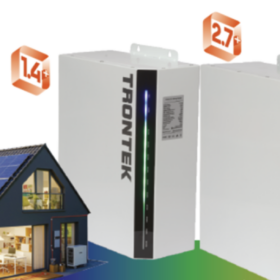
India’s Trontek enters home storage market with new lithium systems
Trontek has entered India’s residential energy storage market with its Powercube 1.4 kWh and 2.7 kWh lithium-ion systems for solar and grid backup.
Poland shortlists 183 energy storage projects for EU funding
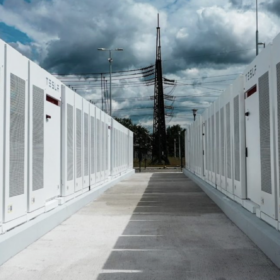
Poland’s state environmental fund says developers sought PLN 28 billion ($7.7 billion) for 20 GW and 122 GWh of storage projects – nearly seven times the program’s budget, with 183 projects eligible for funding.
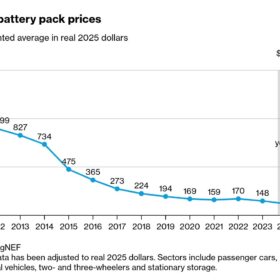
Global lithium-ion battery pack prices fall to $108/kWh, says BNEF
Battery pack prices for stationary storage fell to $70/kWh in 2025, a 45% drop from 2024, making it the cheapest lithium-ion category for the first time, according to BloombergNEF (BNEF).
China powers up nation’s largest standalone battery storage project
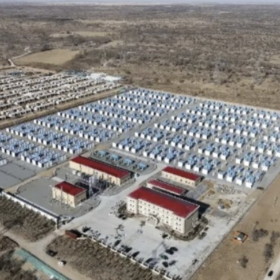
A 500 MW/2,000 MWh lithium iron phosphate battery energy storage system has entered commercial operation in Tongliao, Inner Mongolia, after five months of construction, with total investment of CNY 1.5 billion ($212.2 million) and designed for peak shaving and renewable integration.
Germany’s Prolux Solutions recalls vanadium redox home battery systems
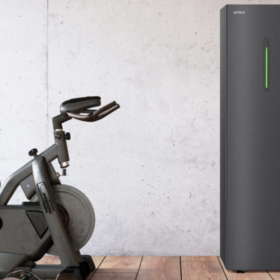
Prolux Solutions is recalling all Storac home energy storage systems in Germany and exiting vanadium redox flow technology to switch future residential products to lithium iron phosphate batteries.

Keeping the smart grid cyber secure
As smart grid tech is rolled out around the world to modernize legacy assets and integrate renewable energy generation, it is also making the electricity network more prone to cyber attacks. IEC Standards provide protection but they also are challenged to keep up with the latest threats.
