
AccelerateEU backs 200 GW storage goal but omits dedicated mechanism
The European Commission’s AccelerateEU energy crisis plan endorses a 200 GW battery storage target for 2030 but proposes no dedicated financing mechanism to reach it, according to SolarPower Europe (SPE), which is calling for a separate EU-wide auction funded by emissions trading revenues.
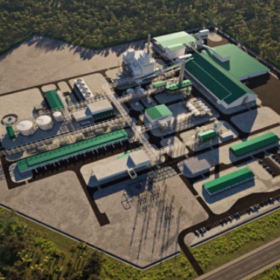
The Hydrogen Stream: Atome builds $665 million green hydrogen-based fertilizer plant in Paraguay
Atome PLC has taken Final Investment Decision on a 60,000 tpa green hydrogen-based fertilizer plant in Villeta, Paraguay. The $665 million project is financed by DFIs and equity partners and is targeting production by 2029.

Daikin unveils ‘plumb-and-play’ residential heat pump
Daikin has launched the Altherma 3 H HT, a pre-engineered air-to-water heat pump using R-32 refrigerant, operating down to −28 C and delivering up to 70 C leaving water temperature for direct boiler replacement in existing radiator systems. The system reportedly achieves a coefficient of performance of 4.86.

Tesla launches three-phase Powerwall 3P
The system integrates a battery, hybrid inverter, and home energy management system into a single device. It supports the integration of additional appliances, including heat pumps via SG-Ready interfaces. A connection to Tesla’s proprietary wallbox is also planned.

Zendure launches battery series for residential PV
Zendure is upping its to target the whole-home residential space, expanding on its plug-in balcony storage roots.

Thermoacoustic heat pumps on the verge of commercial breakthrough
Dutch startup BlueHeart Energy is testing its thermoacoustic heat pump engine in residential settings, with a limited European launch expected in spring 2027, followed by gradual scaling. The system uses sound waves instead of refrigerants, aiming for quiet, flexible, low-maintenance heating suited especially for retrofits and renewable integration.
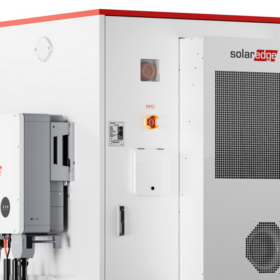
SolarEdge targets C&I with new all-in-one battery
SolarEdge has a new commercial focused battery system, with the new model scaling up to as high as 1 MW / 4 MWh depending on the inverter choice.
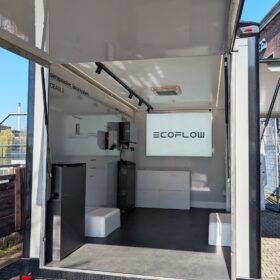
A closer look at EcoFlow’s three-phase Ocean 2 storage solution
Ocean 2 brings a more versatile large-scale and expandable, modular home storage solution, capable of handling both small and large solar PV input.

How to operate PV-driven residential heat pumps under time-varying tariffs
Researchers in the United Kingdom developed a scheduling model for residential heat pumps that reduces electricity costs while maintaining thermal comfort under dynamic tariffs and uncertain rooftop PV generation. It optimizes when to use grid power, PV energy, and building thermal storage.
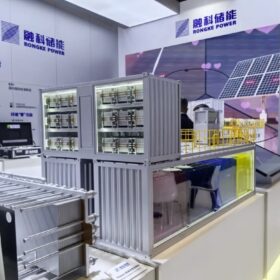
Rongke Power debuts 2 MW/8 MWh vanadium flow battery storage system
The Chinese company says the new product targets long-duration storage, grid support, and GWh-scale deployment.
