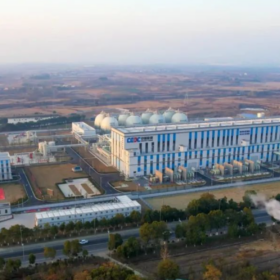
World’s largest compressed-air storage plant switched on in China
New 2.4 GWh adiabatic compressed air energy storage (CAES) plant now operational in in Jiangsu province. The large-scale CAES uses molten salt and pressurized thermal water storage to achieve high efficiency, with power generated through two 300 MW units.

Sigenergy secures top position for multiple storage markets as installer adoption accelerates
SunWiz market data ranks the manufacturer as the top energy storage supplier in Australia, Ireland, and South Africa.

Serbia installs 134.3 MW of solar in 2025
Serbia had a record year for solar additions in 2025, led by deployment of large-scale plants. The country has a gigawatt-size project pipeline, although most remain in the earlier stages of development and are not expected to come online this year.
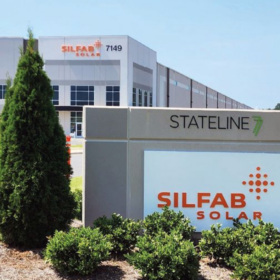
US court dismisses challenge to Silfab Solar factory in South Carolina
A York County circuit court judge has dismissed a resident-led lawsuit seeking to halt construction of Silfab’s PV module assembly plant, ruling that the plaintiff lacked standing and failed to exhaust administrative remedies.
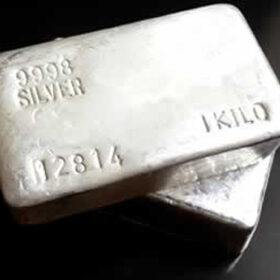
Analysts warn of possible, sudden silver price fall
pv magazine has spoken with silver analysts from Bloomberg and StoneX about the vertiginous growth of silver prices in recent weeks. They both agree that when prices rise too fast, investors’ behavior may change quickly. Meanwhile, the price of the precious metal has reached another all-time high today at $110 per ounce.
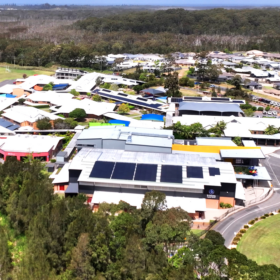
Wireless rooftop PV shares generation across Australian school campus
A new wireless, wifi-connected solar solution featuring three Sungrow 100 kW inverters is now allowing more than 300 kW of solar generation to be dynamically balanced across distribution boards throughout a school in Australia, significantly offsetting grid electricity use.
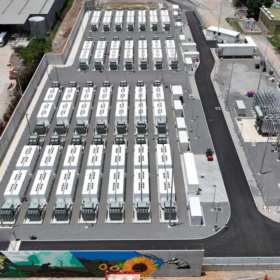
Volta 2025 battery report shows falling costs driving global BESS growth
The Volta Foundation’s 2025 Battery Report finds battery energy storage system (BESS) deployments exceeded 100 GW for the first time, as turnkey system costs fell sharply and long-duration storage and service agreements continued to evolve.
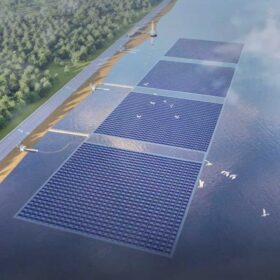
Nigeria awards first floating PV project
The 7 MW solar array will be built by the Nigerian unit of China Civil Engineering Construction Corporation after the company won a contract awarded by Nigeria’s Rural Electrification Agency.

Germany launches instantaneous reserve market, opening door to storage
Germany has launched a market-based mechanism for procuring instantaneous reserve, allowing inverter-based assets and battery energy storage systems (BESS) to participate for the first time, creating new revenue opportunities while raising questions over long-term profitability and regulatory risk.

France installs 5.9 GW of PV in 2025
The country’s cumulative installed PV capacity reached 31.1 GW at the end of December.
