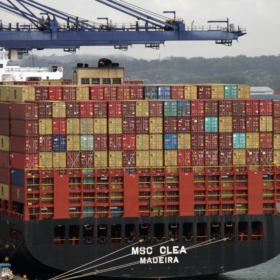
High tariffs could cut US solar deployment 9% by 2035, says McKinsey
McKinsey & Company says US solar deployment through 2035 could fall 9% under a high-tariff scenario, with 60% duties on Chinese imports and 20% on others.

California solar curtailment down 12% on back of batteries
For the first five months of 2025, CAISO data showed solar electricity curtailment declined by 12% as a share of generation, falling from 13% to 11.5%, even as solar output grew 18% year over year. During this period, however, curtailment still rose 4.1% in absolute terms, with March showing a 28% increase, matching the prior year’s peak.
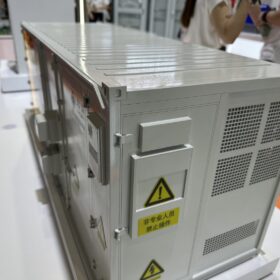
EU delays battery due diligence requirement
The European Council has approved a law postponing implementation of due diligence obligations until Aug. 18, 2027, to give battery producers and exporters more time to prepare for its adoption.
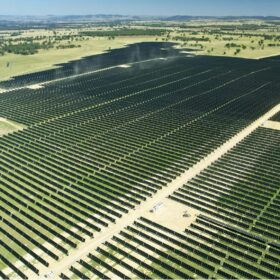
Australia advances 53 GW of renewables through grid process
Australia’s energy transition is gaining “real measurable momentum” with the market operator reporting a record wave of new solar, wind, and energy storage projects are progressing through the grid connection process, at a larger scale than ever before.

India awards 7.6 GW of battery storage in H1 2025
India awarded 5.4 GW of colocated solar plus battery energy storage systems (BESS) and 2.2 GW of standalone BESS to developers in the first half of 2025. This marks the nation’s highest BESS allocation to date, according to a new report by Rystad Energy.
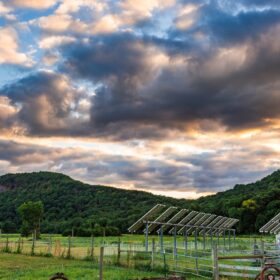
Agrivoltaic shading, full-sun fields gives farmers the power to pivot
Research conducted at the oldest agrivoltaic research site in the United States found year-to-year weather variability impacts agrivoltaic crop production, emphasizing the importance in conducting studies across multiple years.
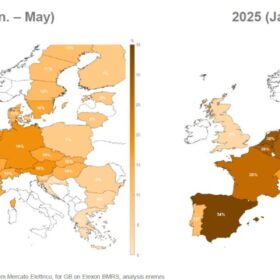
Negative price hours rise in Europe
Around 28% of potential solar power generation in Germany occurred during periods of negative electricity prices from January to May, according to Enervis. The share is expected to rise as battery storage deployment continues to lag behind renewable energy growth.
Ireland’s new private wire policy could unlock benefits for solar
Large energy users like data centers and manufacturers could gain expedited access to at least 500 MW of solar deemed ‘ready to proceed’ under the new, ‘more enabling’ private wires framework, said Solar Ireland CEO Ronan Power. The updated policy targets national grid congestion, particularly acute near the capital where data centers are concentrated.

China switches on its largest standalone battery storage project
With a capacity of 2 GWh, the four-hour storage system is described as the largest lithium iron phosphate energy storage project in the country.

BBDF 2025: Why time is running out for standalone storage
Regulatory shifts in Germany are narrowing opportunities for standalone storage, pushing developers toward colocated battery systems that require more complex optimization, according to industry discussions at the Battery Business Development Forum in Frankfurt.
