
Egypt installs 800 MW of solar in 2025
Latest analysis from GlobalData expects Egypt’s annual solar additions to reach above 2 GW over the next three years, increasing to above 3.5 GW from 2029 onwards. Cumulative capacity is expected to grow from around 2.9 GW at the end of 2025 to 34.3 GW by the end of 2035.

World’s smallest island nation advances 18 MW / 40 MWh solar-plus-storage project
In a bid to rid itself of diesel dependence, the world’s smallest island nation of Nauru has signed a landmark memorandum of understanding with Sydney-based Smart Commercial Energy to develop a clean energy solution.
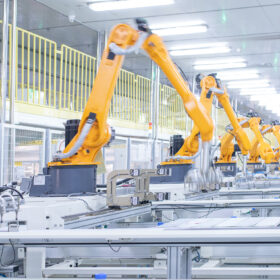
FH Capital to acquire majority stake in JinkoSolar U.S. manufacturing
Private equity firm FH Capital reached an agreement to acquire a 75.1% majority stake in JinkoSolar’s U.S. manufacturing subsidiary to expand domestic module and battery production.

Grid operators may reduce renewables penetration if data center growth continues unchecked, says ENTSO-E
A new report from the European Network of Transmission System Operators for Electricity explores the potential for data centers to become flexible assets in Europe’s electricity system, as well as how to manage grid planning and grid security.

Argentina sees strong growth in solar distributed generation amid electricity price hikes
Argentina’s distributed generation sector is rapidly expanding due to higher electricity tariffs, lower equipment costs, and shorter solar project payback periods of around 3–4 years. Growth has accelerated since 2019, reaching over 4,000 user-generators and 143 MW installed, with strong private-sector-driven adoption.
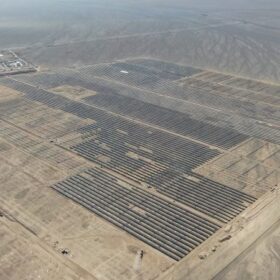
Solar PV accounted for 29% of electricity generation in Chile in March, with instantaneous peaks reaching 75%
The latest bulletin from Generadoras de Chile highlights the continued expansion of BESS systems linked to solar plants, with over 2.5 GW in operation and an additional 6.3 GW under construction, amid rising renewable energy curtailment and transmission grid congestion in southern Chile.
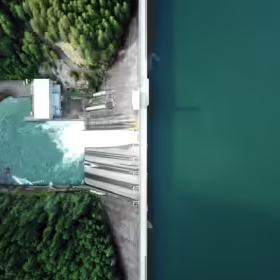
Spain supports 4.2 GW / 8 GWh of pumped-hydro storage with €165 million
Spain is set to finalize a €670 million allocation under its Recovery, Transformation and Resilience Plan. Within this package, €165 million will support seven pumped hydro storage projects under the Boralmac II program, adding more than 4.2 GW / 8 GWh of capacity across five regions.
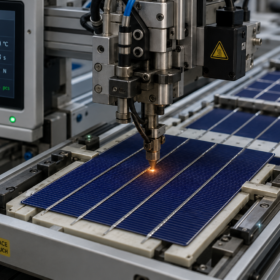
U.S. solar panel manufacturers need to learn to solder
CEA’s 2026 manufacturing quality report finds that yield rates vary widely based on the age of solar module assembly facilities, with mature Chinese firms nearing 100% and U.S. outlier facilities ranging all the way down to 30%.

Bolivia presents new law to boost renewables, private investments
The new draft law on electricity and renewable energy, developed by the Ministry of Hydrocarbons and Energy, is entering its technical, legislative and public consultation phase, with anticipated changes to generation, transmission, distribution and regulatory frameworks.

EU ban on Chinese inverters sparks strong response from Beijing
China strongly criticized the EU’s ban on Chinese inverters in EU-funded solar projects, warning it could damage trade relations, supply chains, and Europe’s energy transition.
