
Mini perovskite solar panels with 18.4% efficiency
Researchers in Singapore have developed a 6.4 cm2 solar module based on co-evaporated methylammonium lead iodide (MAPbI3). They claim that the panel is a step forward in the industrialization of perovskite mini-modules.
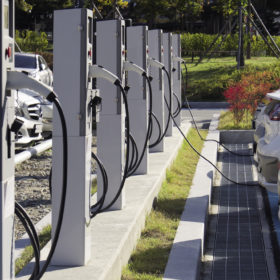
Law and taxes in for e-mobility charging infrastructure in Germany
Electromobility: The legal and fiscal issues involved in setting up charging infrastructure can be stumbling blocks for ambitious projects. Among other things, one has to consider charging pole regulation, and energy industry and renewable energy laws, says attorney Dirk Voges from Germany-based law firm Weitnauer, and his colleague Stefan Zagel, tax consultant in Ebner Stolz.
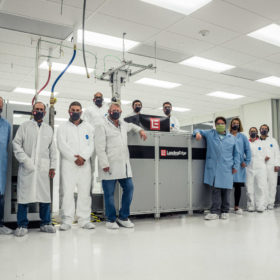
US startup wins $7.6 million in funding for ribbon silicon furnaces
Leading Edge Equipment Technologies falls in the kerfless solar wafer or direct solar wafer category. Its “drop-in” manufacturing tech cuts wafer costs by 50%, drives up commercial PV power by 7%, and reduces manufacturing emissions by 50%. It’s the emissions piece that may be winning over investors.

Enphase reports 3Q revenue rebound, aided by new storage product
An improved quarter for Enphase was carried partially by the U.S. launch of the Encharge storage system, as well as impressive revenue improvements in the European market.
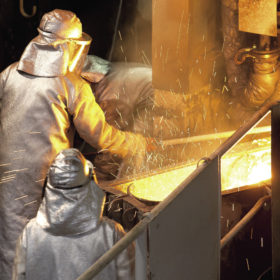
The issues with lithium-ion battery recycling – and how to fix them
Design-for-recycling is not perceived to be high up the list of priorities for battery manufacturers but solutions do exist. Lithium-ion device recycling is technically feasible but requires an improvement in its business case to take off.
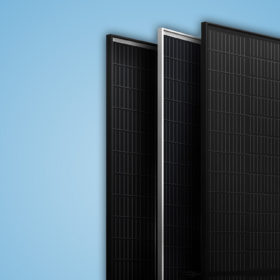
Trina brings 405 W module of Vertex series to the European market
The new module, called Vertex S, is designed for residential and commercial rooftop installations. The efficiency of the module is 21%, one percentage point more than the previous model.

South Korea follows Japan with net-zero 2050 pledge
Re-elected South Korean president Moon Jae-in today declared he will follow-up on a campaign trail promise to eliminate carbon emissions by mid century. The announcement comes just two days after Japan’s new prime minister said he would accelerate his nation’s emissions target.
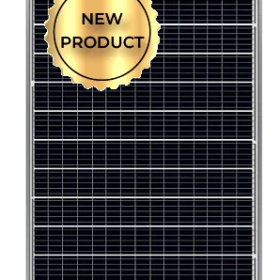
RenewSys unveils 505 W solar modules
The Indian solar manufacturer has announced the release of its DESERV Galactic Ultra line, which includes the world’s first mono-facial modules to cross peak output of 500 W, using G1-sized (158.75 mm) cells.
German PV tender concludes with lowest price of €0.0498/kWh
The country’s latest tech-specific PV tender was oversubscribed. The final average prices are slightly higher than those recorded in the last procurement round.
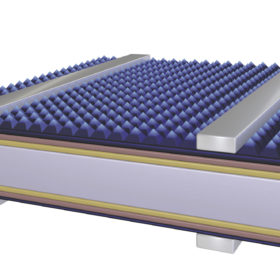
China’s Jinergy bets on heterojunction
China reportedly has 10 GW of heterojunction cell capacity already up and running or under construction. Liyou Yang, general manager at Chinese state-owned manufacturer Jinergy that as costs for the technology continue to fall, more manufacturers in Asia can be expected to make the switch.
