
Indonesia’s solar capacity reaches 1.49 GW
Indonesia surpassed 1 GW of cumulative solar capacity in 2025, with an estimated 546 MW of added solar last year, led by deployments in the rooftop C&I segment.
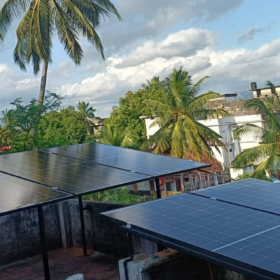
India installs more than 2.08 million rooftop solar systems under PM scheme
India has installed more than 2.08 million rooftop solar systems under the PM Surya Ghar: Muft Bijli Yojana program since early 2024, with INR 147.7 billion ($1.6 billion) disbursed in central subsidies, according to the Ministry of New and Renewable Energy (MNRE).
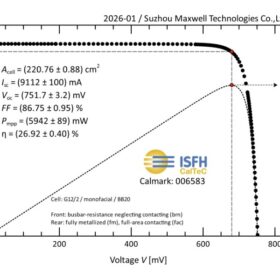
Maxwell claims 26.92% efficiency for heterojunction solar cell
The Chinese PV equipment provider said the result was certified by Germany’s Institute for Solar Energy Research in Hamelin (ISFH). The cell was fabricated with Maxwell’s in-house heterojunction production-line equipment and an end-to-end process flow.

New surface texturing boosts TOPCon solar cell efficiency by 1%
Chinese researchers have demonstrated a single-step submicron structured surface texturing process that improved the absolute efficiency of a TOPCon solar cell by 1% through broadband anti-reflection and lower electrical resistance. The cell-level performance was validated in laboratory and outdoor tests.

U.S.-India trade deal reduces solar tariffs
Tariff reductions under the new U.S.-India trade agreement lower import costs for solar modules and energy storage components. Reciprocal tariffs were effectively reduced from 50% to 18%.

Growatt launches 5 kWh AC-coupled balcony storage system
The IP66-rated Aura 5000 system features bidirectional inverter functionality and an AC output of up to 2.5 kW.
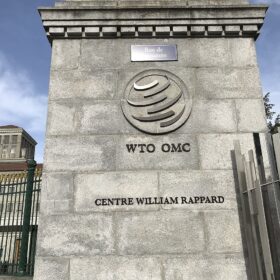
WTO finds US clean energy tax credits violate trade rules
The WTO ruled that U.S. clean energy tax credits under the Inflation Reduction Act violate international trade rules by giving domestic products preferential treatment over Chinese goods. The decision specifically targets the ITC and PTC Domestic Content Bonus Credits.

Bhutan to develop new solar, hydropower projects
Bhutan’s Druk Green Power Corporation and India’s Carbon Resources Private Limited have agreed to collaborate on new solar and hydropower projects in Bhutan with capacities between 100 MW and 250 MW.

India renewables seek policy clarity, storage incentives in Union Budget 2026
India’s renewable energy industry is urging the government to use Union Budget 2026 to unlock stalled projects, lower financing costs, and accelerate domestic manufacturing across solar, storage, and grid infrastructure.
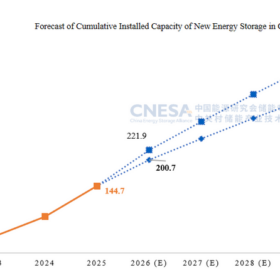
China added 66.43 GW of new-type energy storage in 2025
CNESA says China’s non-pumped storage technologies hit 144.7 GW in 2025, with 66.43 GW added.
