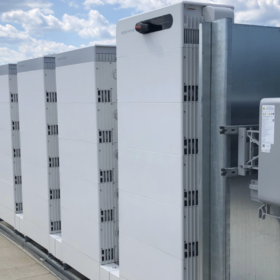
Sigenergy launches 10 MW/20 MWh of Bulgarian storage using 240 kWh stacks
Sigenergy has deployed a 10 MW/20 MWh battery energy storage system (BESS) at a solar site in Malko Tarnovo, Bulgaria, using 240 kWh battery stacks typically found in residential systems.
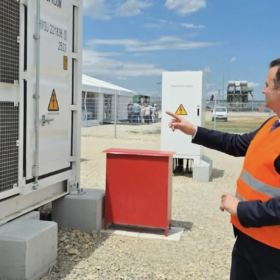
Bulgaria inaugurates 496 MWh battery system
Bulgaria has completed a 496 MWh battery energy storage system, billed as the largest in the European Union. Crews completed the project in six months with backing from local authorities.
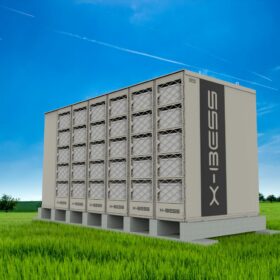
IPS unveils 8.1 MWh utility-scale BESS
IPS has developed an 8.1 MWh utility-scale battery energy storage system (BESS) housed in a 20-foot container with an integrated 4 MW inverter. The Bulgarian manufacturer says it aims to meet growing demand for efficient, large-scale energy storage solutions.

Low residential solar feed-in tariffs can encourage battery deployment
Analysis of feed-in tariff scenarios in Central and Eastern Europe finds that while high feed-in tariffs are linked to the adoption of residential solar, lower tariffs are more likely to encourage battery installations. The study proposes a moderately low range of tariffs as one compromise to support both technologies.
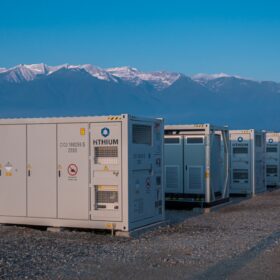
Bulgarian tender awards nearly 10 GWh of energy storage
Bulgaria’s standalone energy storage tender, which aimed to procure at least 3 GWh of cumulative usable capacity, ultimately awarded more than three times that amount.
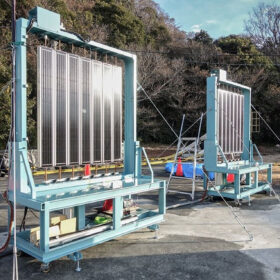
Novel BIPV concept integrates louvers to enhance power production
Scientists have proposed a building-integrated PV system that integrates airflow to cool the panels and control room temperature. The system, which also acts as a shading device, can reportedly mitigate drops in power generation efficiency without additional energy consumption.
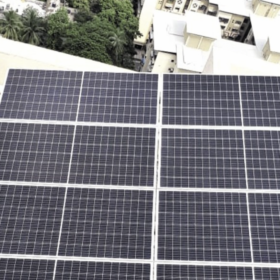
India’s rooftop solar scheme could drive $13.9 billion opportunity
India’s PM Surya Ghar Muft Bijli Yojana initiative (PM-SGMBY) could create a INR 1.2 trillion ($13.9 billion) opportunity for PV module, inverter, and component manufacturers, benefiting project developers and engineering, procurement, and construction (EPC) contractors, according to SBICAPS.

China begins building first GW-scale residential VPP
China is building its first gigawatt-scale residential virtual power plant (VPP) in Jiangsu province. The project will connect millions of high-power household appliances to a cloud-based energy pool to improve grid stability and boost renewable energy use.
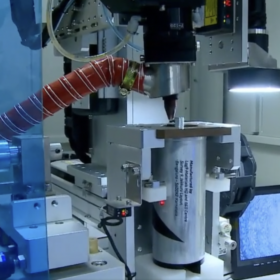
India eyes self-reliance in battery cells with lithium recycling push
India could achieve self-reliance in battery cell manufacturing by domestically recycling lithium and reusing it in batteries, an Indian government official claimed this week at a battery manufacturing conference in in New Delhi.
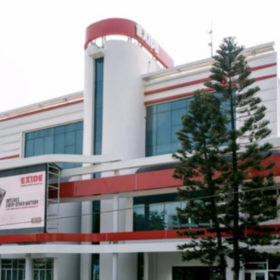
Exide Industries invests $17.2 million in lithium battery plant in India
Kolkata-based Exide Industries has invested INR 1.49 billion ($17.2 million) in Exide Energy Solutions through a rights offering. The investment will support the construction of a greenfield lithium battery plant in Bengaluru, India, in addition to other funding needs.
