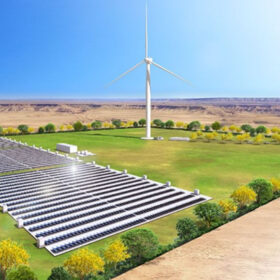
Toshiba ESS tests hybrid wind-solar project with storage in Saudi Arabia
Toshiba Energy Systems & Solutions Corp. (Toshiba ESS) has started testing batteries and energy management solutions to stabilize electricity in remote Saudi Arabia through a hybrid wind-solar pilot project. The project will run until May 2028 to evaluate power- and energy-oriented batteries and optimize battery use.
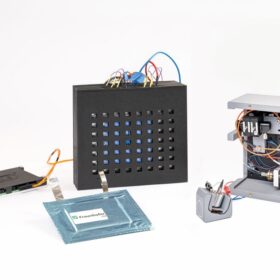
World’s first high-power aluminum-ion battery system for energy storage
For the first time, a complete aluminum-graphite-dual-ion battery system has been built and tested, showing that lithium-free, high-power batteries can deliver stability, fast response, and recyclability for next-generation grid applications.
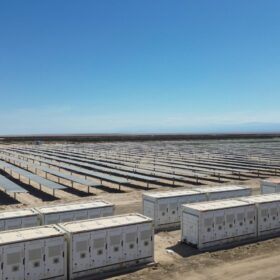
Brazil adopts legal framework for battery storage
Brazil published Law 15.296 on November 25, establishing a series of changes to laws in its electricity sector including guidelines for the regulation of storage systems, tax exemptions and the reduction of import tax rates on battery energy storage systems and its components to zero.

Keeping the smart grid cyber secure
As smart grid tech is rolled out around the world to modernize legacy assets and integrate renewable energy generation, it is also making the electricity network more prone to cyber attacks. IEC Standards provide protection but they also are challenged to keep up with the latest threats.

Global ESS shipments hit 286 GWh as Tesla and Chinese heavyweights out front
Global energy storage shipments jumped 84.7% in the first three quarters of 2025, with Tesla and Chinese manufacturers leading the charge, says InfoLink.
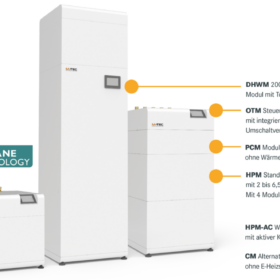
M-Tec launches modular propane heat pump for residential, commercial use
The new residential heat pump system can be configured modularly and requires less than 150 grams of refrigerant, which allows it to be installed indoors. The system integrates with M-Tec’s energy management platform and supports multiple heat sources, photovoltaics, and battery storage.

Cooling PV modules with seawater
A research team in India developed a passive solar-panel cooling method using a thin, still layer of seawater placed over the module surface. Tests showed that while a thick water layer sharply reduced energy output, a thin 5 mm layer lowered module temperatures and increased daily energy generation by up to 8.86%.

Sicily opens €246 million tender for solar, battery storage projects of any size under new EU-aligned programme
Sicily has launched a significant funding window for companies to install photovoltaic systems and battery storage, with preliminary applications due between 15 December 2025 and 13 February 2026.
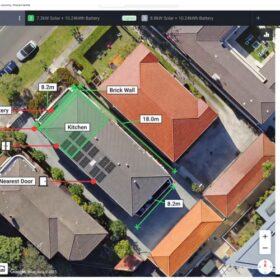
GreenSketch AI 3.0 fast tracks solar and battery install design and business
Australian solar distributor OSW Group has enhanced its free solar, battery design and installation business tool, GreenSketch version 3.0 with new AI-powered features, that simplify and accelerate workflows.
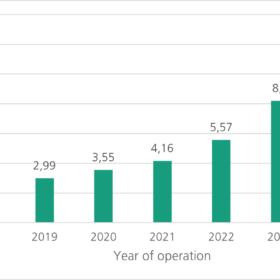
Germany records growth in solar self-consumption
Fraunhofer Institute for Solar Energy Systems (Fraunhofer ISE) has developed a new way to quantify PV self-consumption in Germany using national register and grid-operator data, amid a steady rise in onsite use as installations and storage capacity expand.
