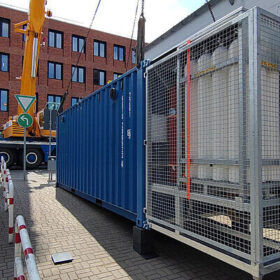
Turnkey solution for self-sufficient electricity, heat supply from hydrogen
Germany-based Ostermeier H2ydrogen Solutions has developed a containerized solution to produce heat and hot water from hydrogen. It includes a photovoltaic inverter, a battery, a heat pump, a heat and cold buffer storage system, an electrolyzer, a compressor, and a fuel cell.
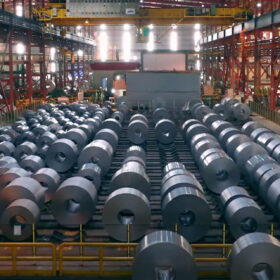
JSW Steel to use green hydrogen to make steel in India
JSW Energy says it plans to set up a green hydrogen plant with an annual capacity of 3,800 tons to supply steel to JSW Steel, driven by 25 MW of renewable energy.
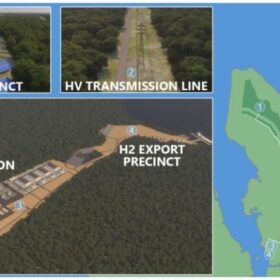
Australian developer plans 2.6 GW solar farm for green hydrogen project
Provaris Energy has advanced its Tiwi H2 green hydrogen export project for the Tiwi Islands in Australia’s Northern Territory, with the design feasibility report for the proposed solar farm and transmission system now complete.
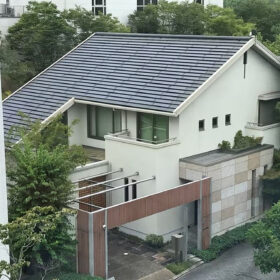
Japanese real estate firm starts residential solar hydrogen project
Sekisui House-W is testing a pilot project consisting of a residential PV system, a small-sized electrolyzer, hydrogen-absorbing alloy tanks, and a fuel cell. The company said the hydrogen storage alloys used in the project have higher energy density than battery storage.
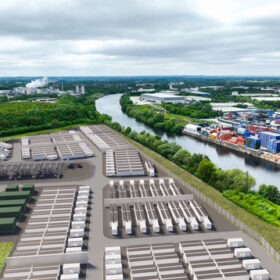
UK coal-fired power plant site to host 1,040 MW/ 2,080 MWh battery
Independent energy infrastructure developer Carlton Power has secured planning consent for a 1,040 MW/ 2,080 MWh battery energy storage system (BESS). The project is expected to strengthen the resilience of the energy system in northwestern England.
Australian developer plans 900 MW of solar for green hydrogen project
Traditional owners in Western Australia will partner with advisory firm Pollination to develop what could be Australia’s largest solar farm. The move is part of plans to build a gigawatt-scale green hydrogen and ammonia project in the northwestern part of the country.
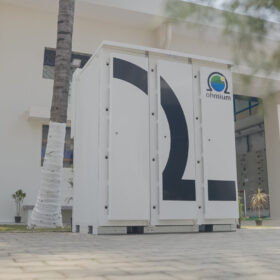
Desalinated ocean water for green hydrogen production
A California hydrogen developer and a Netherlands-based desalination company have formed a new partnership.
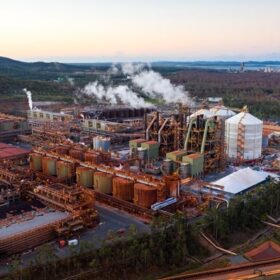
Rio Tinto, Sumitomo to build hydrogen plant in Australia
Rio Tinto will team up with Sumitomo Corp. to build a green hydrogen production plant in Australia as part of an AUD 111 million (USD 74.64 million) project to lower carbon emissions from the alumina refining process.
India launches tender for 1.5 GW of electrolyzer production
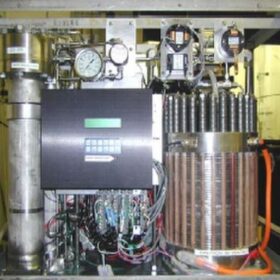
Solar Energy Corp. of India (SECI) has launched a tender to set up 1.5 GW of electrolyzer manufacturing capacity in India under the government’s incentives scheme.
LEAG plans 950 MW power-to-gas plant at lignite mine
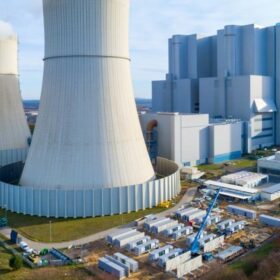
LEAG, Germany’s second largest energy supplier, is planning a power-to-X project to produce hydrogen, store waste heat, generate electricity, and supply buses with hydrogen. The plant will also have a thermal solid-state storage facility with a capacity of 1,000 MWh.
