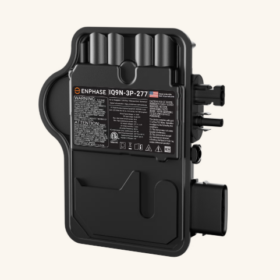
Enphase introduces 97.5%-efficient microinverter based on gallium nitride tech
The inverter is designed for three-phase grid configurations without using external transformers. It contains gallium nitride technology, a first for Enphase’s microinverters.

Yotta Energy launches ‘panel-level storage’ package for C&I solar
US storage and inverter specialist Yotta Energy says its new package has several advantages compared to conventional C&I solar storage solutions. For example, the design cuts out the need for a dedicated room or separate space for the battery racks and it reportedly keeps batteries cool, passively maintaining an ideal working temperature range, between 21 C and 38 C.

Enphase partners with Home Connect to manage home appliances from single app
Integrated clean home energy and smart appliances platform lets users run appliances on battery-stored solar energy in pre-determined time frames.
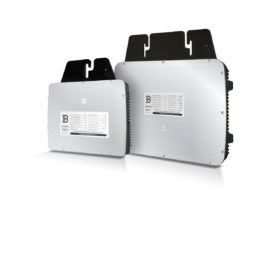
New micro-inverter series from China
Beny Electric unveiled a micro-inverter series with efficiency of up to 97.5% and a European efficiency of up to 97%. The micro-inverters are available in three different versions with a rated power output of 550 VA, 700 VA, and 2,800 VA, respectively.
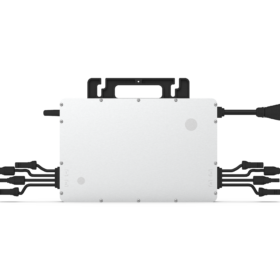
Micro-inverter for high-power solar panels from Hoymiles
The device has a 4-in-1 design, which means it can be connected with four solar panels with a power output of up to 625 W each, through four independent connections. The output of each panel is tracked and converted individually. According to the Chinese manufacturer, the micro-inverter can ensure savings of up to 50% due to the lower number of devices and cables needed.
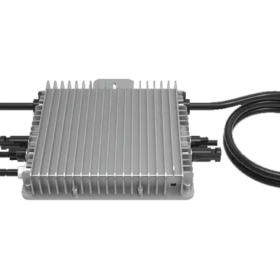
Micro-inverter for balcony solar modules
Two different devices designed by German manufacturer Bosswerk can feed up to 300 or 600 watts into the home network. The company offers a 12-year guarantee.

New microinverter from the US
Yotta Energy’s new micro-inverter is claimed to be an ideal solution for commercial rooftop PV systems linked to between 500 kWh and 1 MWh of storage. The device has a peak efficiency of 96.5% and a nominal maximum power point tracking (MPPT) efficiency of 99.5%.

The case for microinverters in Indian rooftop solar
Sunil Thamaran, India head for US company Enphase Energy, explains why microinverters are a good investment for rooftop solar. He also talks about the trends in microinverter design and the company’s plans in India.
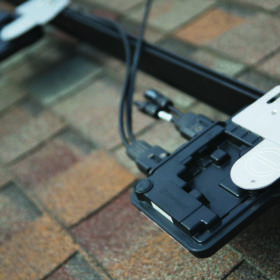
Enphase closes 2020 with a strong Q4
After a Covid-19-stunted Q2, the company reported improved revenues for a second straight quarter, and closed 2020 with revenues north of $770 million.
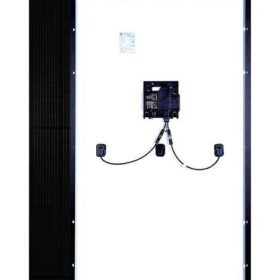
New AC module from Enphase, DMEGC
The new module series is available in five versions with power output ranging from 315 to 330 W and efficiencies of 18.67% to 19.56%. It incorporates Enphase IQ 7+ microinverters with a 96.5% European efficiency and 295 volt-amperes (VA).
