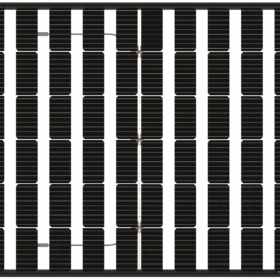
Bisol launches new solar panels for agrivoltaics, carports
Slovenian solar manufacturer Bisol is offering new solar panels with outputs of 320 W and 410 W. Front efficiencies range from 16.4% to 17.3% and the temperature coefficient is -0.34% per degree Celsius.

Ireland extends solar rebates to commercial, industrial PV
The Irish government has decided to grant rebates ranging from €2,700 ($2,930) to €162,600 for PV projects with capacities ranging from 6 kW to 1 MW under the country’s net-metering scheme.
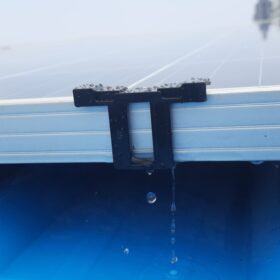
Prasham Greens unveils water-draining clamps for solar panels
India’s Prasham Greens has designed water-draining clamps to get rid of accumulated water from the edges of solar panels after rain and water-based cleaning.
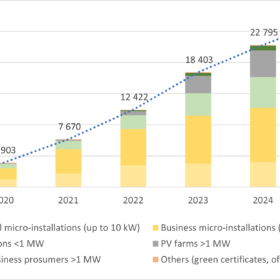
Poland to add 14.36 GW of new solar by end of 2025
Poland will more than double its installed PV capacity between 2023 and 2025, according to research institute IEO. pv magazine spoke with IEO researcher Agata Krzyżanowska about the main market drivers, the trajectory of the auction system, and potential grid constraints.
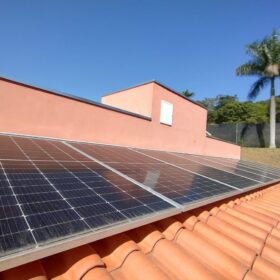
Brazil added 4.2 GW of distributed solar in H1
Brazil’s distributed PV systems, including installations up to 5 MW in size, have surpassed 22 GW of cumulative capacity. By the end of June, more than 2 million arrays had been deployed nationwide.
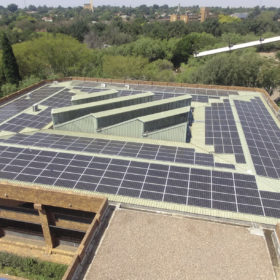
South African government sets requirements for solar rebates
South African individuals and homeowners can now claim rebates of up to 25% of their solar panel costs, up to a maximum of ZAR 15,000 ($800). Recent changes to the solar rebate scheme specify that the panels must have a minimum output of 275 W. They can be installed as part of new or existing systems.
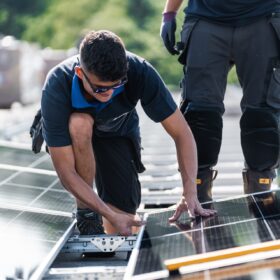
Esdec Solar unveils mounting system for C&I solar
CPX, a unit of Netherlands-based Esdec Solar, has developed a new mounting system with a long-side clamping system for large modules. The manufacturer claims that the new structure reduces the number of required assembly steps.
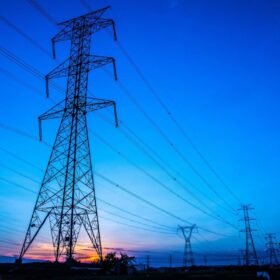
Chile posts record levels of solar curtailment
Chile reached record levels of PV curtailment in the first five months of this year. The amount of renewable energy that could not be integrated into the electricity grid hit 735 GWh, up 86% from the same period in 2022.

Tubesolar files for insolvency
Tubesolar, which specializes in the development and production of photovoltaic thin-film tubes for agrivoltaic applications, has filed for insolvency in Germany. It currently employs around 140 people.
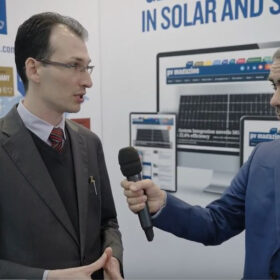
Intersolar 2023: ‘[This] will be the year of large-scale solar for Brazil’
Rodrigo Sauaia, the president of the Brazilian Association of Photovoltaic Solar Energy (Absolar), recently spoke with pv magazine about power purchase agreements, regulated auctions, macroeconomics conditions, and electricity prices in Brazil. He said the Latin American country could add 4.6 GW of utility-scale solar capacity this year, as well as another 5.5 GW from distributed generation.
