The Hydrogen Stream: Thyssenkrupp Nucera electrolysis sales drop 20%

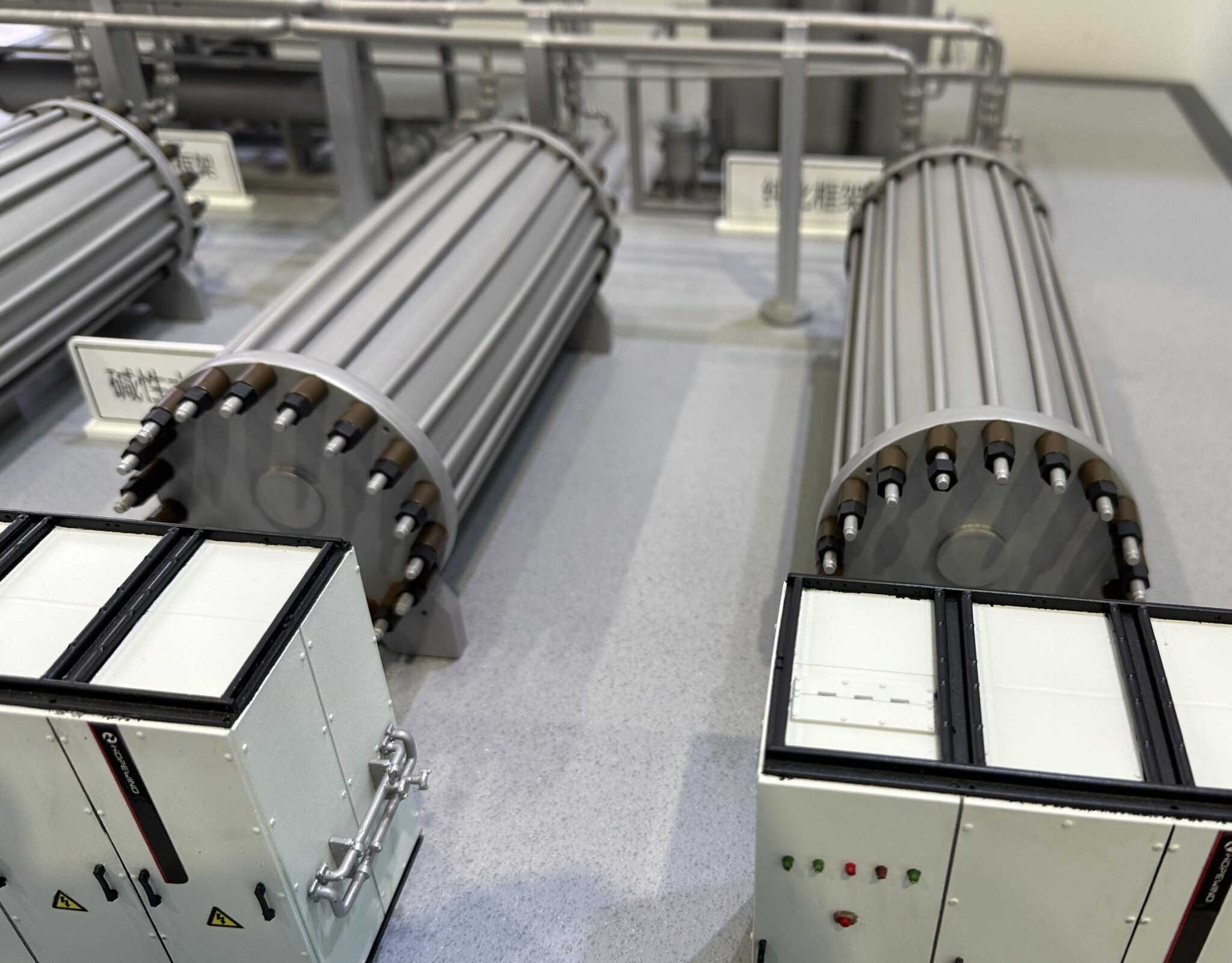
Thyssenkrupp Nucera said sales of its electrolysis technologies fell more than 20% in the third quarter of fiscal year 2024-25. Alkaline water electrolysis (AWE) dropped 23% to €103 million ($119.6 million), while the Chlor-Alkali (CA) segment declined 21% to €81 million. Based on preliminary, unaudited figures, the electrolysis specialist said it expects consolidated earnings before interest and taxes (EBIT) of EUR 0 million for the third quarter of the current 2024-25 fiscal year.
Plug Power has signed a multi-year supply agreement with an unnamed US-based industrial gas firm. “The agreement extends the companies’ current strategic relationship through 2030, securing reliable hydrogen supply for Plug’s growing applications business,” said New York-based Plug Power. It claimed that it has deployed more than 72,000 fuel cell systems and 275 fueling stations. Its hydrogen production plants are operational in Georgia, Tennessee, and Louisiana.
Pennsylvania Governor Josh Shapiro said Verne will open its first manufacturing facility in the state. The California-based energy storage firm will invest $4.5 million in the project and receive $1.27 million in public funding. Verne has developed a process to increase hydrogen density by storing it in a cold and compressed state. “Scaling up to commercial operations, the company will manufacture hydrogen storage vessels at its new facility in the Marcellus Energy Park in Muncy,” said Shapiro’s office.
The New York State Energy Research and Development Authority (Nyserda) has allocated $3.9 million to support development of maritime solutions for clean hydrogen transport within the state. “This funding advances new and retrofitted vessels as another option to deliver and distribute clean hydrogen,” said Nyserda. It noted the funding may help overcome logistical and economic challenges associated with land-based transport. Projects require a minimum 50% cost share from non-Nyserda sources.
The European Commission has introduced a greenhouse gas emission methodology for low-carbon hydrogen and fuels. “This methodology complements the existing ones on renewable hydrogen and renewable fuels of non-biological origin (RFNBOs), completing the EU’s regulatory framework for hydrogen,” said the European executive body . To qualify as low carbon, hydrogen and related fuels must achieve at least 70% greenhouse gas emission savings compared with unabated fossil fuels, said the commission.
Sineng Electric has signed a strategic cooperation agreement with Shuangliang Group to promote integrated development across the “solar + storage + hydrogen value chain.” The two Chinese companies will jointly develop demonstration projects. “The scope of cooperation includes joint R&D on technology and equipment, development of zero-carbon park projects, operation and maintenance services, and international market expansion,” said Sineng.
This content is protected by copyright and may not be reused. If you want to cooperate with us and would like to reuse some of our content, please contact: [email protected].

Please login to comment