




From ESS News
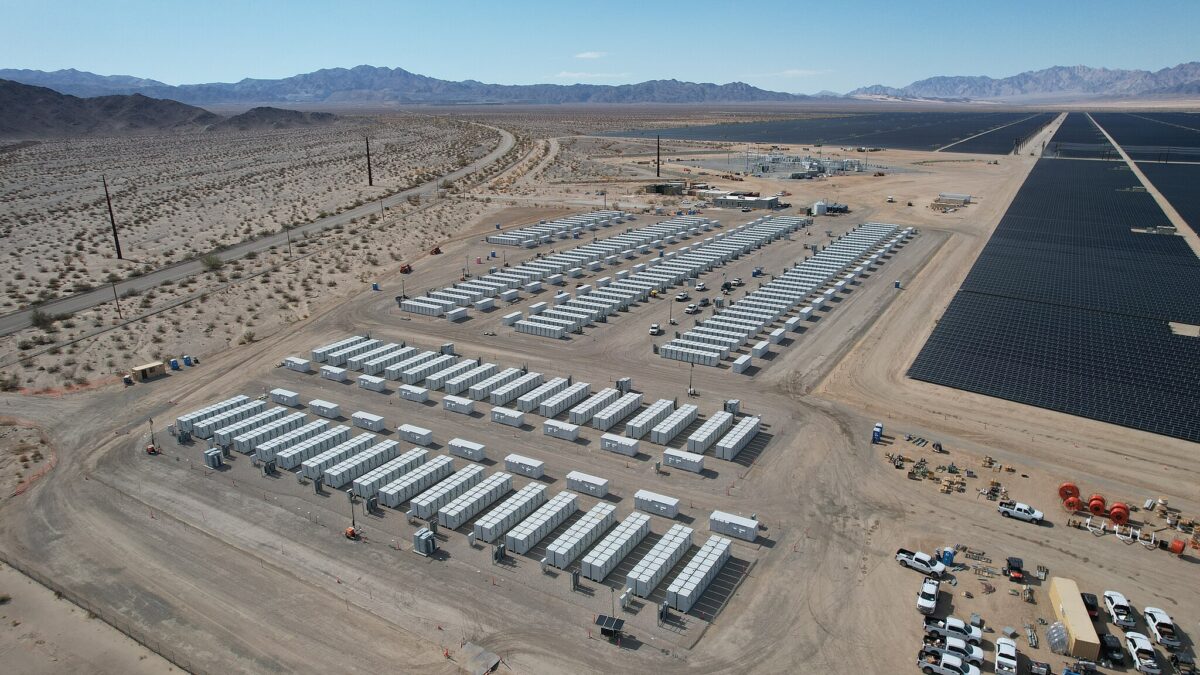
Earlier this autumn, California Governor Gavin Newsom enacted the fire safety-focused Senate Bill 283, which is poised to reshape the state’s energy storage deployment and overhaul governmental oversight.
The law, which was put forward following the Moss Landing fire in February 2025, requires developers to meet with local fire authorities before submitting project applications and after installation, aligning project design with safety standards such as NFPA 855.
The bill underscores the growing need to prioritize safety as a key part of energy storage system (ESS) design and operation. According to Lennart Hinrichs, the executive vice president and general manager, Americas, at battery analytics software company TWAICE, it’s also critical for the private sector to recognize that system risks evolve over time.
Reliability often follows a bathtub curve, he explained. Although early issues often stem from defects during manufacturing or controls, potential problems change as a system ages.
To continue reading, please visit our ESS News website.
This content is protected by copyright and may not be reused. If you want to cooperate with us and would like to reuse some of our content, please contact: editors@pv-magazine.com.


By submitting this form you agree to pv magazine using your data for the purposes of publishing your comment.
Your personal data will only be disclosed or otherwise transmitted to third parties for the purposes of spam filtering or if this is necessary for technical maintenance of the website. Any other transfer to third parties will not take place unless this is justified on the basis of applicable data protection regulations or if pv magazine is legally obliged to do so.
You may revoke this consent at any time with effect for the future, in which case your personal data will be deleted immediately. Otherwise, your data will be deleted if pv magazine has processed your request or the purpose of data storage is fulfilled.
Further information on data privacy can be found in our Data Protection Policy.