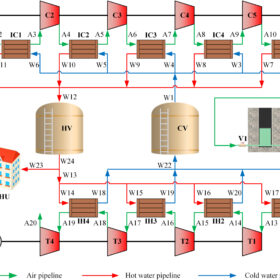
Compressed air energy storage enhanced by gravity
Scientists in China have simulated an advanced adiabatic compressed air energy storage, to which they added an elastic airbag with a heavy load situated above it. The energy, exergy, and economic analysis of the system showed that, due to the constant weight of the heavy load, the airbag’s pressure level remains unaltered during operation.
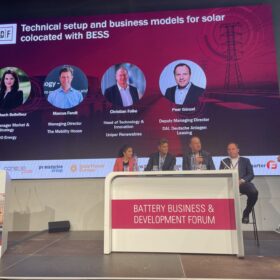
BBDF 2025: Co-location, hybrid PPAs reshaping the European energy market
BBDF 2025’s “From Solar to BESS: Moving from PV Project Development to BESS With and Without Co-location,” has shown the potential for creating new business modules in the renewable energy business via the so-called hybrid power purchase agreements and the co-location of wind and solar energy assets with battery storage.

Envision Energy, FERA to develop 1 GW of wind, 1.5 GWh of storage in Australia
Envision Energy and FERA Australia have agreed to collaborate on large-scale hybrid renewable energy projects across Australia’s National Electricity Market (NEM), with the potential to deliver up to 1.5 GWh of battery energy storage.
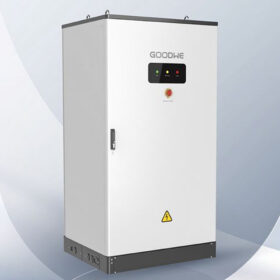
GoodWe launches scalable C&I battery system with over 100 kWh capacity
GoodWe has released its BAT series battery cabinet for small to mid-scale commercial projects, with two capacities at launch at 102.4 kWh and 112.6 kWh, and outdoor use in mind.

Copper doping boosts manganese cathode stability in sodium-ion batteries
Researchers at the Tokyo University of Science have shown that using copper can eliminate defects in sodium manganese oxide battery types, boosting battery cycle life.
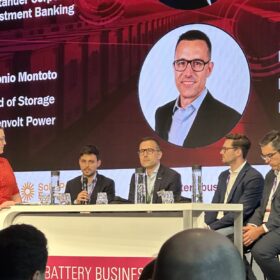
BBDF 2025: Understanding BESS project bankability
Financing remains one of battery energy storage system’s (BESS) biggest talking points, as bankability, risk mitigation, insurance, and more.
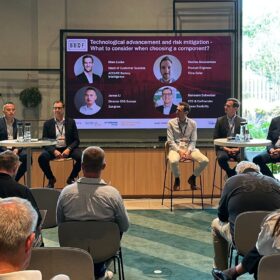
BBDF 2025: Warranties, safety key to achieving battery quality
Tech specialists at the “Technological advancement and risk mitigation” panel identified safety and warranties as the key pillars of quality in the battery storage sector. Speakers discussed how these factors shape component selection and long-term project viability.

Slovenia opens €29 million call to fund priority solar, wind projects
Slovenia has opened a €29 million ($33.7 million) call under the European Union’s Modernisation Fund to support priority solar and wind projects, with applications due by Jan. 7, 2026.
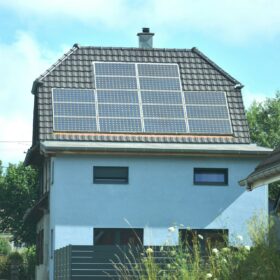
Netherlands moves forward with plans to link residential PV to heating
The Netherlands will require building owners to adopt renewable energy, connect to local heating networks, or install heat pumps under its implementation of the European Energy Performance of Buildings Directive (EPBD IV).
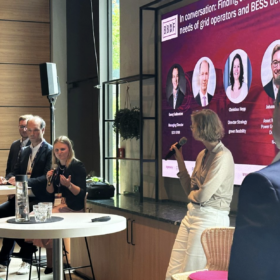
BBDF 2025: Flexible grid access opens up new paths for battery storage in Germany
Flexible connections, better optimization, and theneed for better cooperation between parties for grid connections were all hot topics in the German-focused second session of the event.
