
The Hydrogen Stream: EU endorses 100 cross-border hydrogen projects
The selected projects will be eligible for EU funding from the Connecting Europe Facility and will benefit from streamlined approval and regulatory processes.
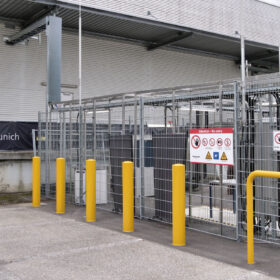
Panasonic testing PV-driven hydrogen platform in Germany
The Japanese conglomerate has deployed its Panasonic HX hydrogen solution at its facility in Munich. The system uses an AI-based energy management system that reportedly makes battery storage unnecessary.
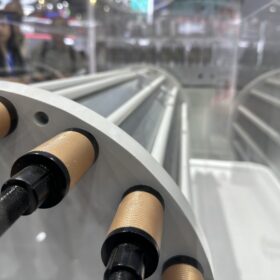
European Commission opens third hydrogen auction
The EU’s third hydrogen auction is open for applications until Feb. 19, 2026, alongside a pilot auction for decarbonizing industrial process heat. The 2025 edition of the Net-Zero Technologies call is also underway, accepting applications until Apr. 23, 2026. Together, the three funding streams have a budget of €5.2 billion ($6.07 billion).
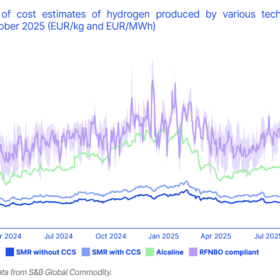
Price gap between conventional, renewable hydrogen widens in Europe
Report from the European Union Agency for the Cooperation of Energy Regulators finds the average cost for renewable hydrogen remains around €8 ($9.33)/kg, around four times higher than that of conventional hydrogen from natural gas. A decrease in natural gas prices has increased the price gap since the agency’s last hydrogen market report.
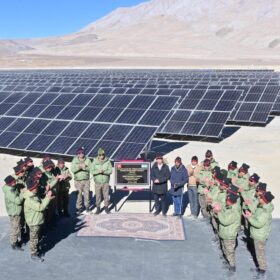
NTPC commissions solar-hydrogen-based microgrid in India
NTPC has developed a standalone solar microgrid system that uses hydrogen as the storage medium to deliver 200 kW of round-the-clock power throughout the year. Designed to replace diesel gensets at off-grid Army locations, the system provides a reliable and sustainable power supply even in harsh winter conditions, where temperatures can drop to –40 C at an altitude of 4,500 meters.
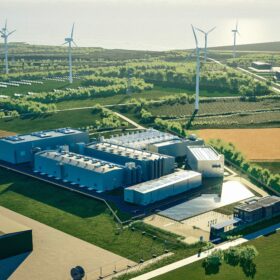
The Hydrogen Stream: EWE begins work on 320 MW hydrogen plant in Germany
EWE says construction has started on its 320 MW hydrogen plant in Germany as it seeks regulatory reforms, while Japan Suiso Energy and Kawasaki Heavy Industries have broken ground on a commercial-scale liquefied hydrogen terminal set to begin operations in 2030.
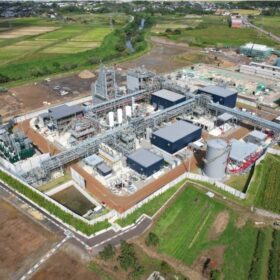
The Hydrogen Stream: Inpex launches blue hydrogen, ammonia demonstration plant in Japan
As Inpex launches its hydrogen park in Japan, ITM Power announces a possible delivery of 710 MW of electrolysers to Germany’s Stablegrid and Shell works on a 100 MW electrolyser in Germany.
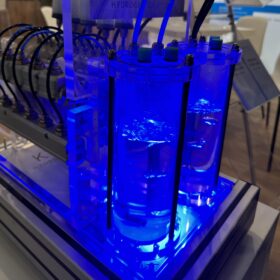
The Hydrogen Stream: European Commission launches H2 tender
The European Commission has launched its first Hydrogen Mechanism call to link suppliers with buyers, while Italian researchers say PV, wind, storage, and electrolyzers can slash island transport emissions by 90% and cut costs nearly one-third.

World’s first solar park featuring hydrogen-producing PV modules takes shape in Belgium
A 2 MW solar park in Wallonia, Belgium, will rely 50 kW of hydrogen-producing solar modules developed by Solhyd, a spin-off from KU Lueven. The installation will be the first demonstration of Solhyd’s technology at a commercially-relevant scale.
The Hydrogen Stream EU funds eight hydrogen projects under NetZero call
The EU Innovation Fund has awarded €2.9 billion ($3.4 billion) to 61 projects, including eight advancing hydrogen technologies across aviation, shipping, and heavy transport.
