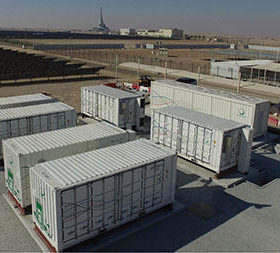
Japan’s NGK discontinues manufacturing of sodium-sulfur batteries
The manufacturer cites rising material costs, heightened competition from lithium-ion batteries, and the slow uptake of long-duration storage technologies as the reasons for the decision.
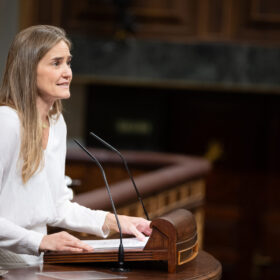
Spain approves new decree to accelerate storage and grid modernization
Spain’s Council of Ministers has approved a royal decree to promote energy storage, accelerate electrification, and tighten oversight of the national grid, says the Ministry for the Ecological Transition and Demographic Challenge (MITECO).
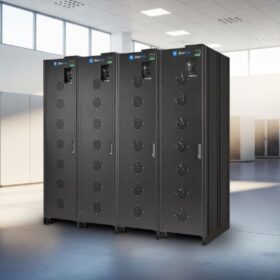
ZincFive unveils BC 2 AI battery system for both AI and traditional IT loads
The new nickel-zinc (NiZn) battery cabinet provides support for high-intensity AI pulses while also offering traditional IT backup within a compact footprint.

Battery projects dominate Belgium’s 2025 capacity market awards
Battery storage secured nearly all new-build capacity in Belgium’s latest capacity market auctions, cementing its central role in the country’s power supply plans through 2030.
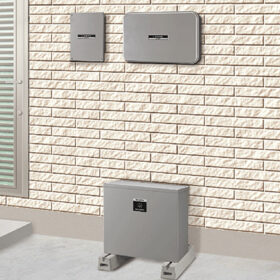
Japanese utility uses Sharp PV-linked home batteries for grid balancing
Japanese utility Tohoku Electric Power is using Sharp’s residential batteries and AI-powered energy management systems to balance grid demand and optimize household solar energy use. Customers in the program can earn points redeemable for local products.

Four-year testing finds heat pumps run efficiently even in older homes
Researchers at Fraunhofer ISE have tested various types of heat pumps in existing buildings across Germany over four years, finding that the systems achieved seasonal performance factors between 2.6 and 5.4. The team also showed that PV-driven heat pumps can boost self-consumption rates, particularly when paired with battery storage.
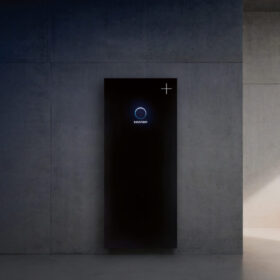
Sonnen launches trade-in program for old solar battery storage systems regardless of condition or manufacturer
The initiative by the Allgäu-based company targets owners of photovoltaic storage systems installed before the end of 2020. The value of the trade-in bonus depends on the capacity of the new Sonnen battery. Sonnen describes the campaign as a “targeted growth initiative in a new market segment.”
The Hydrogen Stream: Germany audit warns of missed H2 goals
Germany’s Federal Court of Audit (Bundesrechnungshof) says the nation’s hydrogen strategy is falling short despite heavy subsidies, while Pulsenics and Endua have launched the first commercial AI-based monitoring system to improve electrolyzer performance under fluctuating renewable power conditions.
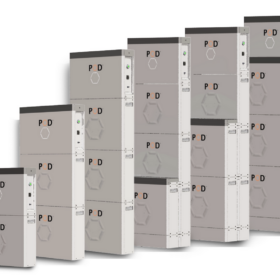
Australia’s PowerCap enters US with sodium-ion batteries
Australia’s PowerCap has entered the US market with its sodium-ion stationary storage systems and plans to build a manufacturing facility to serve customers across the Americas.

Mitsubishi presents new residential air-to-water heat pumps
Mitsubishi said that the two new products of its Hydrolution EZY series can produce domestic hot water up to 75 C when outdoor temperatures reach -25 C. The new systems have capacities of 6 kW and 7.1 kW.
