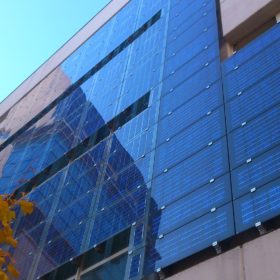
Five-year testing show PV façades perform better than expected
Researchers in the Netherlands have analyzed the performance of PV façades during the period 2018-2023 and have found that these system may generate more economic value than conventional rooftop PV systems. Their analysis was based on financial, technical and environmental metrics
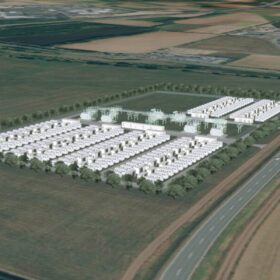
Why battery energy storage is essential for Germany’s solar targets
While Germany’s battery energy storage sector is booming, developers should be aware of the various hurdles to overcome and could learn lessons from the United Kingdom battery market.

Norway defining new rules for energy communities
The Norwegian government says it is creating a new regulatory framework for energy communities. The new provisions will allow PV systems up to 5 MW in size to sell power and share surplus energy within specific industrial areas.

France concludes C&I rooftop PV tender with average price of €0.09995/kWh
The French authorities have wrapped up a commercial and industrial (C&I) rooftop PV tender with an average price of €0.09995 ($0.1055)/kWh. The government has allocated 253.3 MW of solar capacity in total.

UK commits to hydrogen-to-power subsidy mechanism
The UK government announced a new business model for hydrogen, based on dispatchable power agreements available to carbon capture technologies.

Taiwan launches $126 million rebate program for small rooftop PV
Taiwan’s Ministry of Economic Affairs (MoEA) says it will offer up to TWD 300,000 ($9,260) per project through a $126 million rebate program for small rooftop PV systems, with eligibility limited to systems not exceeding 3 kW.
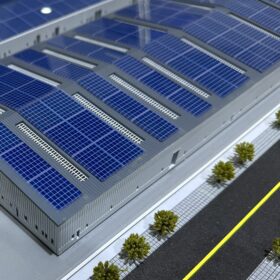
China issues new rules to support peer-to-peer energy trading
China’s National Energy Administration (NEA) has introduced a new set of measures to support peer-to-peer energy trading. The new initiatives are expected to remove barriers for the further development of distributed PV projects.
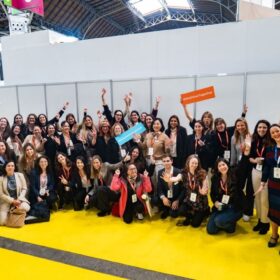
From policy to practice: aligning governments, industry, professional networks to champion DEI
In a new article for pv magazine, Women in Solar Europe (WiSEu) explains why the renewable energy industry should finally embrace equity, diversity, and inclusion (DEI). “At a micro level, networks like Women in Solar Europe are critical to creating the environments of belonging, psychological safety, and support that individuals need to thrive and contribute to the energy transition,” says Carmen Madrid, founder of the WiSEu Network.
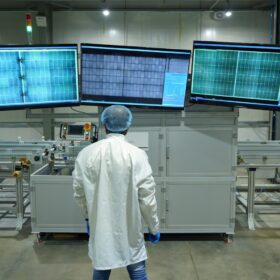
India reaches 63 GW of annual PV module manufacturing capacity
India has reached an annual PV module manufacturing capacity of about 63 GW, according to the Ministry of New and Renewable Energy’s Approved List of Models and Manufacturers (ALMM).

Germany concludes rooftop PV tender with average price of €0.0904/kWh
The German authorities have selected 119 MW projects totaling 259 MW in the nation’s latest rooftop PV tender. The final prices ranged from €0.0745 ($0.0787)/kWh to €0.0969/kWh.
