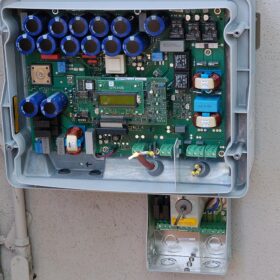
New approach to measure PV inverter degradation in semi-arid climates
New research from Morocco has found that the Sandia PV Array Performance Model is the most suitable for measuring AC power in PV systems located in arid-climate conditions. The scientists conducted a series of tests a three different PV systems located at a testing facility in Ben Guerir, in central Morocco.
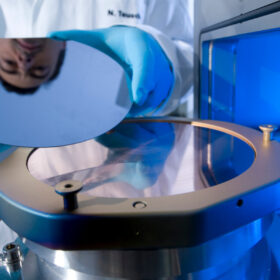
Fraunhofer CSP developing new patent infringement investigation methods for PV technologies
The German research institute is working on developing advanced, high-resolution material and thin film characterization methods that may become a set of simplified and rapid measurement procedures for routine use in intellectual property investigations.
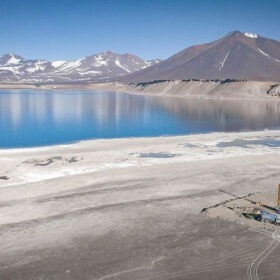
New ways to feed the world’s lithium habit
Amid significant environmental concern about the impact of more widespread lithium mining, various methods of extracting the battery material from brine could offer a cleaner solution – and reignite a historic Cornish industry.
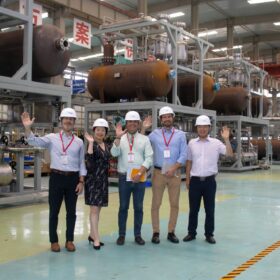
The Hydrogen Stream: Uniper opens hydrogen pilot in Germany
Uniper says it has launched its Hydrogen Pilot Cavern (HPC) Krummhörn plant in Germany with nearly 500,000 cubic meters of green hydrogen storage, while Air Liquide has inaugurated a 20 MW electrolysis plant in Oberhausen, Germany.
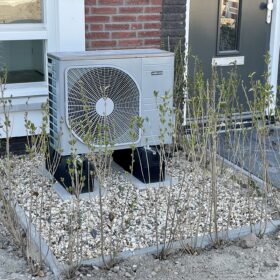
Dutch scientists assess consumers’ willingness to pay for renewable heating
A survey of 1,797 residents was used to determine the willingness to pay for low-carbon residential heating in the Netherlands. On average, respondents were willing to pay a premium of 33% for electricity-based heating. Policy recommendations were also provided as part of the study.

Scientists unveil desert solar modules with higher performance ratio, reduced temperature sensitivity
Researchers in Morocco have carefully configured and tested a novel desert solar module optimized for harsh desert climates. The new design delivered a 5.8% improvement in performance ratio, a 1.95% increase in efficiency, and reduced temperature sensitivity by 0.85% compared to standard modules.

Alpine PV has LCOE ranging from €0.097/kWh to 0.162/kWh
New research from Switzerland shows that capex costs for Alpine PV projects in Switzerland currently range between €2,231/kW and €4,182/KW for ground-mounted projects and up to €3,802/kW and €7,108/kW for wall-mounted and floating projects, respectively.

Japanese researchers test 15%-efficient perovskite solar module for agrivoltaics
Japan’s Sekisui Chemical launched an agrivoltaics project in partnership with Terra, a unit of Japan-based Citizen Energy Chiba, to test the peformance of its perovskite solar cell technology and the effect of the PV system on plants.

Optimal locations for solar power plants in Asia Pacific
A research team from Japan and Indonesia used satellite data to investigate fluctuations of solar irradiance over the Asia Pacific region and draw conclusions on which areas are best suited for future installations.
All-perovskite tandem solar cell based on tin-lead perovskite achieves 28.8% efficiency
Conceived by Chinese scientists, the cell was built with new surface reconstruction strategy based on the use of 1,4-butanediamine (BDA) and ethylenediammonium diiodide (EDAI2) as surface modifiers. The device was able to retain 79.7% of its initial efficiency after 550 h.
