
BMW targets 2028 hydrogen car launch, cites infrastructure and cost hurdles
BMW Group tells pv magazine its iX5 Hydrogen fuel cell electric vehicle (FCEV) will enter series production in 2028 using a third-generation fuel cell system developed with Toyota, but says hydrogen pump prices must reach parity with diesel for the vehicle to succeed commercially.
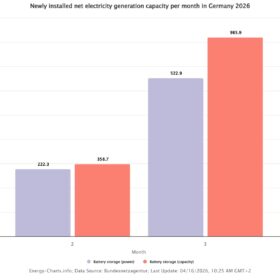
Germany adds record 1 GWh of battery storage in March
Germany could break the gigawatt-hour mark for the first time on a monthly basis. Around 45,000 new residential photovoltaic storage systems have been registered in the market master data register so far in March.

Heat pumps may help boost residential solar in France
The government’s electrification plan, presented last week, includes a goal to double heat pump deployment in France by 2030, potentially benefiting the residential photovoltaic sector.
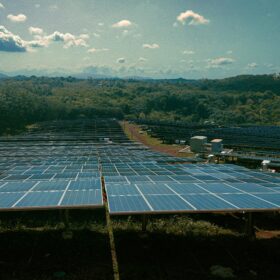
Italy PV grid connection requests reach 144 GW as ready-to-build pipeline grows to 9.34 GW
Italy recorded 3,670 PV connection applications totaling 144 GW amid a slight ongoing decline since August 2025, while ready-to-build projects rose to 210 or 9.34 GW, with capacity remaining concentrated in Sicily, Puglia and Sardinia.

Scientists identify new loss factor in tracker-based PV plants on slightly undulating terrain
Researchers in Spain have identified a new source of underperformance in utility-scale PV plants caused by “suboptimal backtracking” on slightly uneven terrain. The study shows that real tracker control systems deviate from ideal flat-terrain assumptions, reducing irradiance capture and causing measurable energy losses compared with simulations.

RWE drops 99.9 MW solar project in Wales on grid constraints
RWE has scrapped its 99.9 MW Butterfly solar‑plus‑storage project in Wales after determining that grid connection availability made it unviable, in a move that comes amid sharply rising connection demand and mounting pressure on the United Kingdom’s queue reform process.
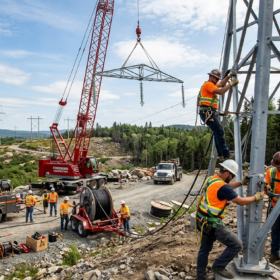
European power grid investment set to rise sharply by 2027
The EU Agency for the Cooperation of Energy Regulators (ACER) says distribution grid investment has risen 51% since 2021, but warns that fragmented planning rules and regulatory distortions could limit efficiency and slow the energy transition.
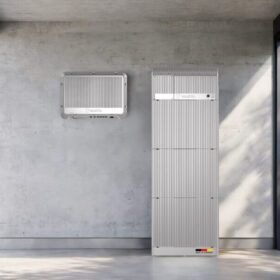
Varta launches all-in-one residential inverter and modular battery
The German manufacturer has launched an integrated energy system combining inverter, storage and energy management in a modular, scalable solution for new and existing PV installations. The system supports AC/DC coupling, backup power and smart energy optimization.
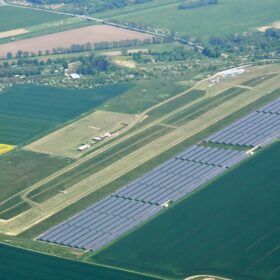
France, Germany set daily solar records for April
AleaSoft Energy Forecasting’s latest analysis finds increased solar energy production and lower gas futures prices helped reduce electricity prices in most major European markets last week. Germany produced 426 GWh of solar on April 8, a record for a day in April. France also set a new April day record a day later, generating 136 GWh.
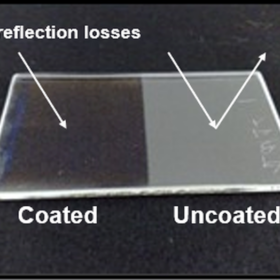
Porous silica-based anti-reflective coating increases PV glass optical transmission by 5.2%
Researchers in Spain developed a porous silica anti-reflective coating for solar panels that boosts optical transmission while balancing durability and mechanical stability through optimized sol–gel chemistry.
