New simulation platform lets energy operators train against realistic cyberattacks
Researchers at Germany’s Fraunhofer FKIE institute developed PowerRange, a virtual simulation platform that helps power grid operators safely test cybersecurity measures and respond to realistic cyberattacks. The platform supports both traditional and renewable grids, offering immersive training across IT, OT, and control systems while highlighting the importance of coordination, communication, and practical defense strategies.
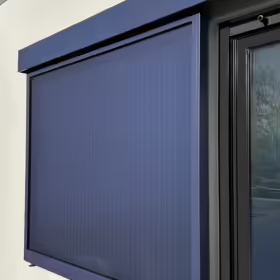
Sliding shutters integrate PV for building facades
German manufacturer Ehret has launched SolarSlide, a sliding shutter with integrated PV modules developed with the Fraunhofer Institute for Solar Energy Systems (Fraunhofer ISE). It provides solar shading while generating electricity for residential and commercial facades.

Volkswagen launches first large-scale battery storage project in Germany
Volkswagen has connected its first 20 MW/40 MWh stationary storage system in Salzgitter, Germany, marking the start of its plan to integrate battery production, storage, and energy trading within a single corporate structure.
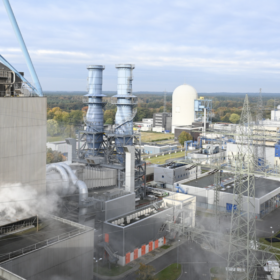
Gas-fired electricity two to three times costlier than renewable backups
A study by Forum Ökologisch‑Soziale Marktwirtschaft (FÖS), commissioned by Green Planet Energy, says electricity from gas plants could reach €0.67 ($0.78)/kWh, largely due to externalized costs, while renewable-based backups remain far cheaper.
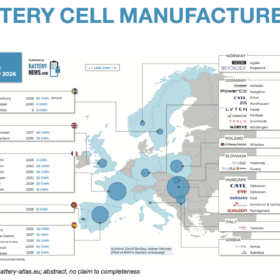
‘Battery Atlas 2026’ maps Europe’s cell, pack and battery manufacturers
The “Battery Atlas 2026” report shows consolidation in Europe’s battery market. More than 2,000 GWh of cell production capacity was announced in 2023, but the realistic forecast for early 2026 is around 1,190 GWh, including approximately 673 GWh led by Asian companies.

Photovoltaics reach 16.1% share of Germany’s electricity generation in 2025
Germany’s Federal Statistical Office (Destatis) says solar generation rose to 70.1 TWh in 2025, up 17.4% from the previous year, even as wind and hydropower output declined and natural gas generation increased 10.2%.
The Hydrogen Stream: BP and Iberdrola near Spain’s largest H₂ project
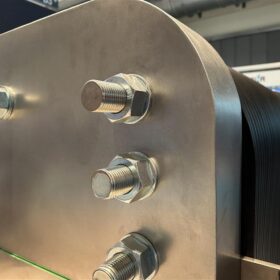
BP and Iberdrola say their 25 MW green hydrogen project in Spain is nearing commissioning, while Moeve has approved a final investment decision for a 300 MW project in Spain.
Germany’s Texxecure launches standardized quality rating for PV systems
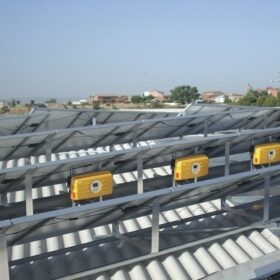
The Texxecure PV Quality Rating evaluates solar modules, inverters, and entire projects using uniform technical criteria, condensing technical risk into a single AAA-to-D score for developers, investors, banks, and insurers.
The Hydrogen Stream: ACES 220 MW Utah project nears completion
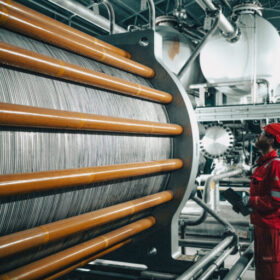
HydrogenPro says its 220 MW ACES Delta project in Utah is nearing completion, with all electrolyzers operating at full load, while the hub will store hydrogen in salt caverns with energy capacity two to three times that of all US grid-connected batteries combined.
Germany’s battery sector calls for faster grid connections amid backlog
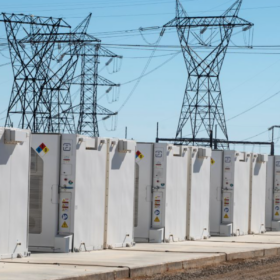
Germany’s large-scale battery industry is urging regulators and grid operators to speed up utility-scale connection approvals as applications outpace available grid capacity.
