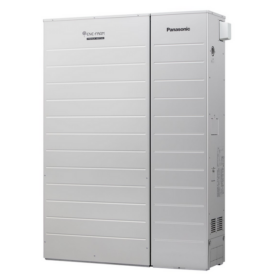
Panasonic debuts fuel cell cogeneration system for PV‑integrated homes
Panasonic has launched a new home fuel cell system for detached houses, designed to boost solar self-consumption through HEMS‑based smart scheduling. The unit generates electricity and heat from gas, supports demand response, and can supply emergency power during outages.

German consortium launches web guide for BIPV planning
Germany’s SolarEnvelopeCenter project has launched a web-based planning guide for building-integrated photovoltaics (BIPV), offering standardized design solutions for roofs and facades that comply with building codes and industry standards.
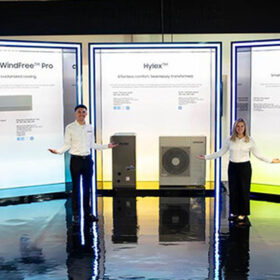
Samsung HVAC unveils inverter-driven residential heat pumps for cold climates
The US-based heating solutions provider said its Hylex inverter-driven heat pump offers 2–5 ton capacity, high efficiency, Wi-Fi control, and reliable cold-climate performance down to –25 C.
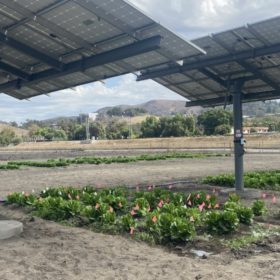
Agrivoltaics for regenerative agriculture
U.S. researchers are testing regenerative agrivoltaics at a farm in Southern California, combining solar panels with soil-restoring practices like composting, cover cropping, and no-till farming to enhance crop yields, soil health, and water-use efficiency. The pilot evaluates technical, ecological, and economic viability while exploring how this land-sharing approach can optimize food and energy production, reduce irrigation needs, and inform larger-scale deployment and policy frameworks.

Dominican Republic updates net metering rules for rooftop solar
The Dominican Republic has approved new regulations for rooftop solar, shortening approval times, digitizing processes, removing penetration caps, and increasing annual compensation for surplus energy to 100%.

Luxembourg launches new tender for C&I solar
Luxembourg’s Ministry of the Economy has launched a €3 million ($3.54 million) tender to support commercial and industrial (C&I) solar projects between 30 kW and 200 kW, with applications open until April 17.
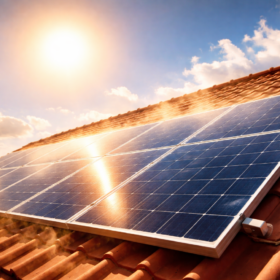
Global-warming-induced degradation could raise rooftop solar LCOE by up to 20%
A global study finds climate change will sharply increase high-temperature risks, accelerate degradation, and raise costs for rooftop PV, with economically disadvantaged regions hit hardest. Researchers warn current IEC standards underestimate future risks, urging urgent updates to avoid stranded assets and rising electricity costs.
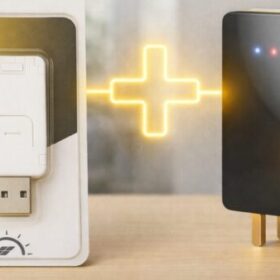
French startup launches ‘universal’ home energy management system
PvPilot has introduced a home energy management system (HEMS) designed to be compatible with all major brands of solar equipment, targeting France’s fast-growing residential self-consumption market.
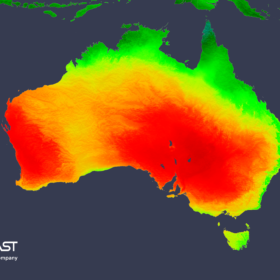
Hot, dry start to 2026 lifts Australian PV, despite fires and monsoon losses
In a new weekly update for pv magazine, Solcast, a DNV company, reports that most of Australia experienced above-average solar irradiance in January 2026 due to a hot, dry airmass and clear skies, boosting PV generation despite operational challenges from elevated temperatures, bushfire smoke, and dust. In contrast, northern Queensland and far northern regions saw significant irradiance deficits from persistent monsoonal clouds and Tropical Cyclone Koji, causing widespread rainfall and localized power outages.
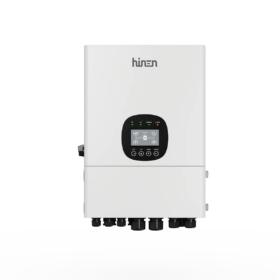
Hinen launches 15 kW three-phase hybrid inverter
The Chinese manufacturer said its 15 kW three-phase low-voltage hybrid inverter is paired with the stackable BP5000 5 kWh battery supporting up to 120 kWh. It features three MPPTs, 150% oversized PV input, and smart load management for optimized self-consumption.
