
The Hydrogen Stream: CF Industries ships first low-carbon ammonia from the US to Europe
Trafigura has reportedly loaded 23,500 metric tons of low-carbon ammonia on the 25th of September, destined for Antwerp, Belgium. Meanwhile, Hydrogen Europe wrote that Europe missed its target of deploying 6 GW by 2024.
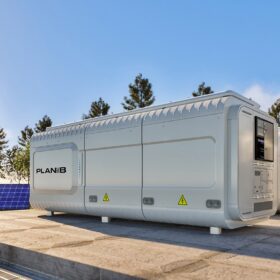
Plan-B Net Zero combines battery storage and hydrogen storage in new concept
The Swiss startup presented the battery plus hydrogen idea to a Symposium this week.
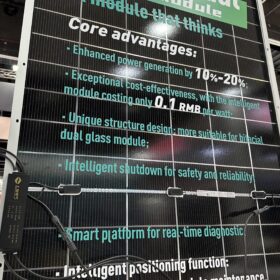
Solar module prices to rise 9% in Q4, says Wood Mackenzie
Wood Mackenzie says module prices will climb as China ends export rebates and consolidates polysilicon production.

Belgium powers up first 400 MWh phase of mainland Europe’s largest battery
Engie and Sungrow have connected the initial 100 MW/400 MWh phase of the Vilvoorde battery project in Belgium, set to reach 200 MW/800 MWh by late 2025.
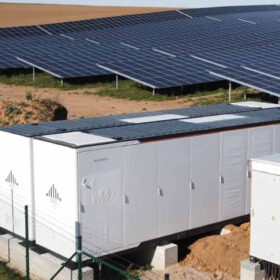
Italy’s first MACSE battery auction smashes expectations with 10 GWh awarded at record low prices
The result of the auction are tariffs that came dramatically below the reserve premium which was set at €37,000 per MWh per year.

Chad starts first utility-scale solar plant with 50 MW and storage
Abu Dhabi-based Global South Utilities has commissioned Chad’s first utility-scale solar plant, a 50 MW facility in N’Djamena with 5 MWh of storage to supply 274,000 homes.

Permit secured for 270 MW solar-plus-storage project in Serbia
Türkiye’s Fortis Energy has secured a construction permit for 270 MW of solar alongside 72 MWh of battery energy storage to be built in northwestern Serbia. Construction is scheduled to begin during the second quarter of next year.
European electricity spot market shifts to 15-minute trading blocks
The European Power Exchange (Epex Spot) will switch its day-ahead market from hourly to 15-minute intervals on Sept. 30, a change mandated by the European Union that is expected to improve solar and wind integration, boost battery trading opportunities, and support dynamic tariffs.
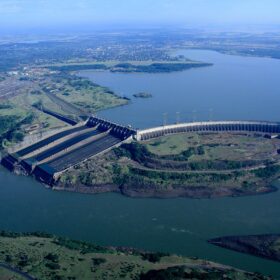
How to deliver large-scale grid infrastructure projects
New report from the Utilities for Net Zero Alliance addresses key challenges facing large-scale infrastructure projects and offers stakeholders recommendations for ensuring such projects are delivered within time and budget.

Alibaba, Tencent and ByteDance bet on batteries as AI fuels power demand surge
Tech giants Alibaba, Tencent, and ByteDance are ramping up investments in renewable energy and storage to meet the soaring electricity demands driven by AI.
