
Egypt installs 800 MW of solar in 2025
Latest analysis from GlobalData expects Egypt’s annual solar additions to reach above 2 GW over the next three years, increasing to above 3.5 GW from 2029 onwards. Cumulative capacity is expected to grow from around 2.9 GW at the end of 2025 to 34.3 GW by the end of 2035.

Grid operators may reduce renewables penetration if data center growth continues unchecked, says ENTSO-E
A new report from the European Network of Transmission System Operators for Electricity explores the potential for data centers to become flexible assets in Europe’s electricity system, as well as how to manage grid planning and grid security.

Bolivia presents new law to boost renewables, private investments
The new draft law on electricity and renewable energy, developed by the Ministry of Hydrocarbons and Energy, is entering its technical, legislative and public consultation phase, with anticipated changes to generation, transmission, distribution and regulatory frameworks.

EU ban on Chinese inverters sparks strong response from Beijing
China strongly criticized the EU’s ban on Chinese inverters in EU-funded solar projects, warning it could damage trade relations, supply chains, and Europe’s energy transition.

Human-centered leadership in the age of AI: Why psychological safety and inclusive leadership matter for energy security
Women in Solar+ Europe (WiSEu Network) analyzes how psychological safety, inclusive leadership, and bias awareness influence decision-making, innovation, and energy security after hosting a workshop during the SolarPower Summit this week. Through interactive discussions and real-life scenarios, participants reflected on the growing importance of human judgment, trust, and collaboration in an AI-driven industry, highlighting that resilient energy systems are ultimately built not only through technology, but also through people and leadership.
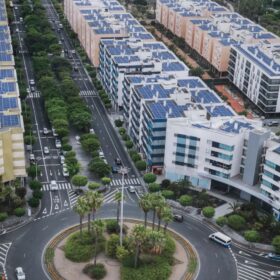
Spain accelerates rollout of energy communities
Spain has expanded its energy community programme with 20 new projects, bringing the national total to 262 and unlocking €108.4 million in EU-backed funding. Unevenly distributed across regions, the energy communities deployed in Spain to date combine solar generation, storage, efficiency, and mobility solutions, delivering 175.3 MW of PV capacity and involving more than 111,000 citizens.
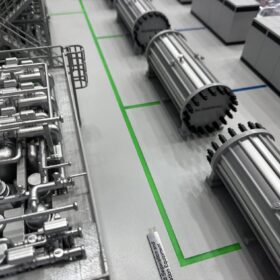
Germany risks €45 billion taxpayer hit on hydrogen overbuild, warns IEEFA
Germany risks leaving taxpayers liable for at least €34.7 billion ($40.8 billion) in unrecovered hydrogen infrastructure costs by 2055, the Institute for Energy Economics and Financial Analysis (IEEFA) says in a new report, putting the true regulated cost base at approaching €50 billion against the commonly cited €19.8 billion construction figure.

Czechia considers stop to double taxation on solar, storage projects
The Czech government is reviewing proposals to streamline procedures for new solar power plants, including increasing the threshold for paying electricity tax to 100 kW and preventing double taxation on projects installing both solar and storage.

Solar backup power supports Ukrainian intensive care units during grid outages and cyberattacks
At the Solarpower Summit in Brussels, two Ukrainian representatives highlighted the role photovoltaics and battery storage can play in the country, as well as the lessons the European Union can draw from Ukraine’s experience of living through war. Particular emphasis was placed on systems installed at hospitals and schools.
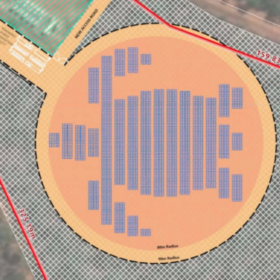
Remote Australian community secures permit for Sun Turtle solar and battery project
A remote Western Australia First Nations community with its sights set on reducing diesel dependence and energy insecurity has had a solar and 3.25 MW battery energy storage project approved for development.
