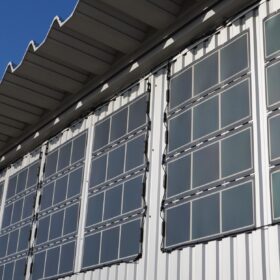
Aisin Corporation starts perovskite solar PV outdoor trial
The Japanese automotive components and systems manufacturer began testing its proprietary organic perovskite solar modules in what will be a 30 kW outdoor field trial at one of its facilities in Anjo.

Research shows how Japan’s PV market suffered from high feed-in tariffs
A team of researchers based in Japan and Sweden have found a correlation between higher feed-in tariffs and increased capital expenditures of solar projects in Japan. They suggest this may have led to a lack of incentive for developers to innovate or reduce costs, in turn inflating expenditure and hindering long-term market competitiveness.
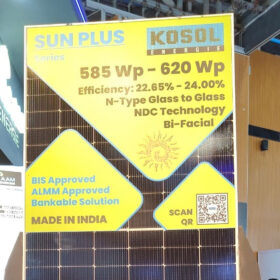
Kosol Energie launches TOPCon solar module with 24% efficiency
The Indian manufacturer said its new n-type TOPCon bifacial solar module has a a power output of 585 W to 620 W and the same compact dimensions as a traditional 550 W panel.

IEA-PVPS calls for better data collection on floating PV
A recent report from the International Energy Agency (IEA) Photovoltaic Power Systems Programme (PVPS) says limited long-term data on floating solar is creating uncertainty and hindering adoption.

Azerbaijan inks three solar agreements with Chinese companies
The three projects comprise a 160 MW solar plant, a separate 100 MW solar facility and a 100 MW floating solar array with 30 MWh of accompanying battery energy storage. They will be implemented by Chinese companies working in collaboration with Azerbaijan-based developers.
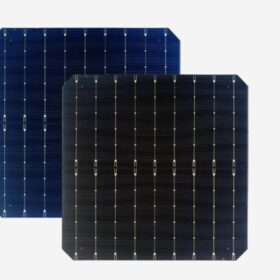
Japan’s Toyo begins production at 2 GW solar cell plant in Ethiopia
Toyo Co. has started production at its 2 GW solar cell facility in Ethiopia, with plans to deliver more than 80 MW of tunnel oxide passivated contact (TOPCon) cells by the end of April before scaling capacity to 4 GW.

Solar module prices unaffected by tariff chaos
Martin Schachinger, founder of pvXchange.com, says the European PV market has remained unaffected by the disruptive effects of the Trump administration’s new tariff policy.

Germany allocates 2.63 GW in latest utility-scale PV tender
Germany’s latest auction for utility-scale solar concluded with prices ranging from €0.0399 ($0.0455)/kWh to €0.0488/kWh. The procurement exercise was significantly oversubscribed.

Moldova maintains rejection of four bids from renewables auction
Moldova has upheld the disqualification of four bids in its first renewables auction, citing inexperience, non-compliant bank guarantees, and missing prior approvals. The tender committee says it plans to assess the remaining bids by the end of the month.

New web tool helps find best tilt angle for south-facing bifacial PV plants
An international research team has created a new model that finds the best tilt angle for south-facing bifacial PV plants across Europe. The scientists also considered the Alpine region to examine the impact of mountains on optimal tilt angles.
