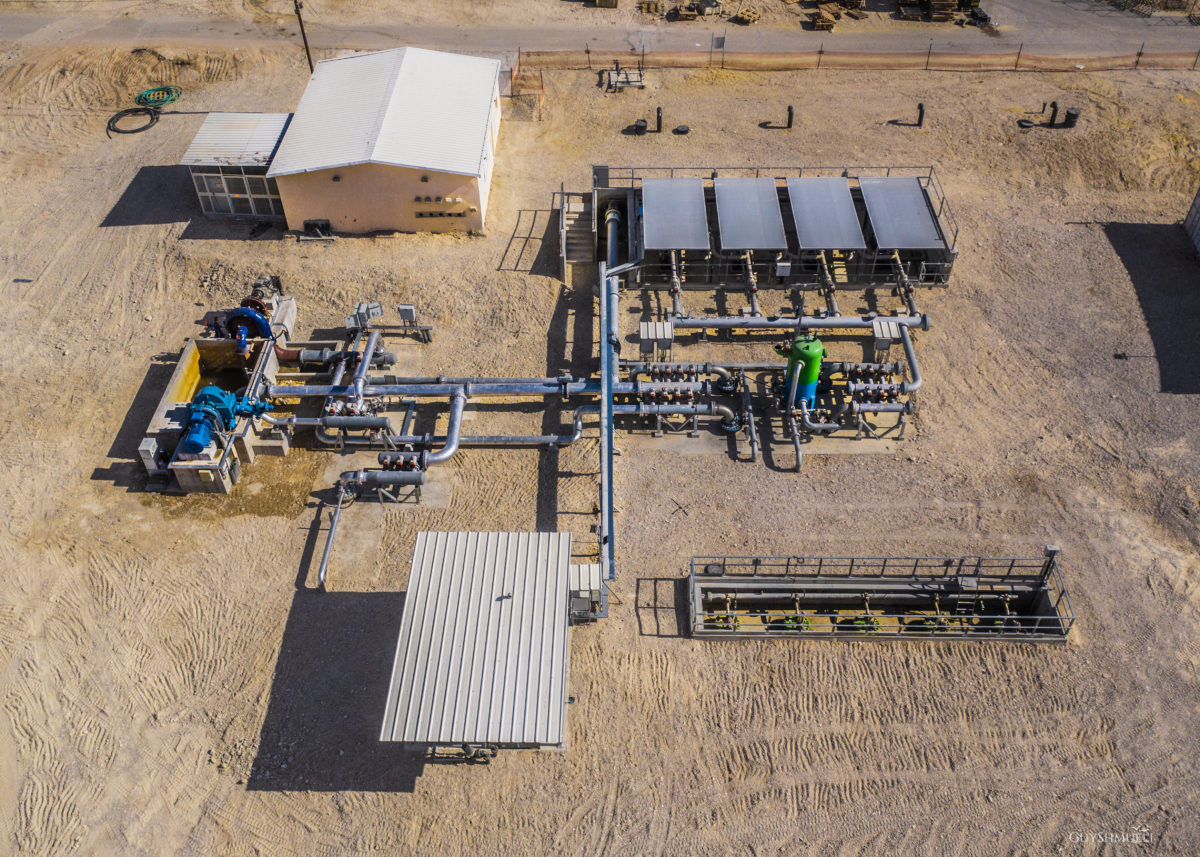





A group of researchers led by the United Kingdom’s King’s College London has compiled a comprehensive database of adiabatic compressed air energy storage (A-CAES) projects, gathering information on both operational systems and planned installations around the world. By analyzing this dataset, they were able to calculate the technology’s experience rate (ER), a measure of how costs decrease as cumulative production or deployment increases, and identify the specific conditions under which A-CAES would be economically viable.
“Long duration energy storage (LDES) is vital for grid stability, enabling the storage of renewable energy for periods ranging from days to years,” the researchers explained. “LDES technologies include compressed air energy storage (CAES), which generates pressurized air using compressors, stores it in containers or underground caverns, and releases it to drive turbines that generate electricity. Recently, A-CAES systems have been proposed to eliminate the need for natural gas by storing compression heat and reusing it during air expansion, thereby ensuring power capacity and improving energy efficiency.”
The academics noted that, prior to their work, comprehensive data on A-CAES – including capital costs, product prices, and cumulative installed capacities – was largely unavailable. To fill this gap, they compiled a robust database using a wide range of sources, including peer-reviewed literature, industry reports, energy storage databases, news articles, and interviews with manufacturers and project developers.
To continue reading go to ESS News
This content is protected by copyright and may not be reused. If you want to cooperate with us and would like to reuse some of our content, please contact: editors@pv-magazine.com.

By submitting this form you agree to pv magazine using your data for the purposes of publishing your comment.
Your personal data will only be disclosed or otherwise transmitted to third parties for the purposes of spam filtering or if this is necessary for technical maintenance of the website. Any other transfer to third parties will not take place unless this is justified on the basis of applicable data protection regulations or if pv magazine is legally obliged to do so.
You may revoke this consent at any time with effect for the future, in which case your personal data will be deleted immediately. Otherwise, your data will be deleted if pv magazine has processed your request or the purpose of data storage is fulfilled.
Further information on data privacy can be found in our Data Protection Policy.