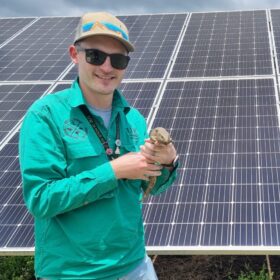
Ecovoltaics research aims to balance grid scale solar with wildlife, livestock
The University of New England in Australia is researching ecovoltaics to balance large-scale solar development with wildlife conservation and livestock farming needs.

The Hydrogen Stream: 41 hydrogen projects to start in Africa by 2029
The Energy Industries Council (EIC) says 41 hydrogen projects are set to begin development across Africa in the next five years, led by North African nations like Egypt, Algeria, and Morocco.
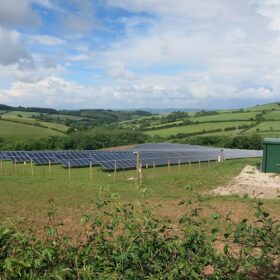
UK government approves almost 1 GW of solar across two projects
West Burton and Heckington Fen solar and storage projects secure development consent orders from UK government. The two plants are latest in a line of major solar projects approved since the Labour government took office in July 2024.
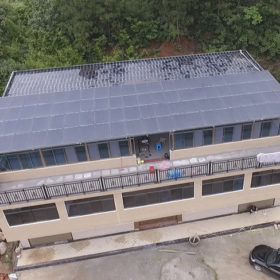
Chinese PV Industry Brief: NEA issues final rules for distributed solar
China’s National Energy Administration (NEA) has issued final regulations for distributed solar power, replacing 2013 interim rules with comprehensive standards for project lifecycles.

Poland deploys 4 GW of PV in 2024
Poland’s Institute for Renewable Energy says the country’s combined solar capacity nearly reached 20.7 GW by the end of November 2024, putting it on track to hit 21 GW by year-end. The institute’s analysis indicates utility-scale projects are driving Poland’s solar expansion and will continue to do so.
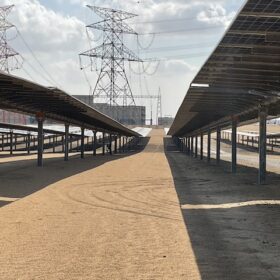
India’s NHPC awards 1.2 GW of solar with storage at $0.036/kWh
NHPC has allocated 1.2 GW of solar with 600 MW/1,200 MWh of storage projects at an average tariff of INR 3.09 ($0.036)/kWh.
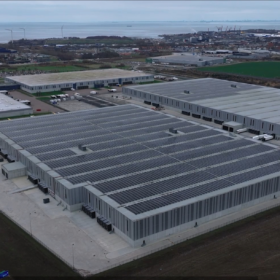
Scandinavia’s largest rooftop PV plant goes online
Scandinavia’s largest rooftop PV plant, a 14 MW array in Landskrona, Sweden, has gone online. The system, consisting of 24,000 JinkoSolar modules, was installed on a warehouse roof by Danish transport company DSV.
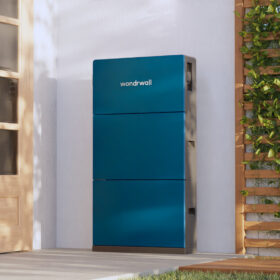
Wondrwall debuts residential AI-based battery
UK startup Wondrwall has developed a hybrid battery-inverter system for homes, offering up to 25.6 kWh of energy storage capacity.

Solar-driven brine management system for hydrogen, chlorine production
Researchers have developed a novel energy system comprising PVT panels, reverse osmosis, reverse electrodialysis, and proton exchange membranes. The proposed setup can purportedly produce 18.78 kg/day of hydrogen and 120.6 m³/day of freshwater.
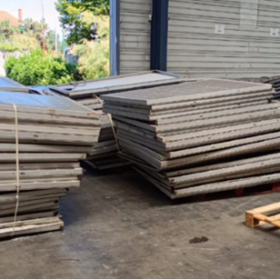
European consortium reuses second life PV panels, EV batteries in agrivoltaics, plug-in solar, low-budget projects
A European team is developing technologies and processes to show how end of life PV panels and electric vehicle (EV) batteries can be used in three distributed energy market segments: agrivoltaics, plug-in PV for households, and low-budget solutions. It will also demonstrate efficient recycling processes for critical raw materials recovered from panels and batteries that cannot be reused.
