
New model for diffuse, shadow effects on vehicle-integrated photovoltaics
Researchers at the Polytechnic University of Madrid have validated a model to simulate solar resources for vehicle integrated PV in urban settings, taking into account reflections and shadows of buildings and objects.
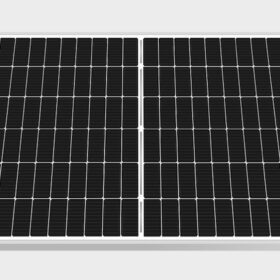
Solar Asia unveils 730 W heterojunction panel with 23.5% efficiency
Pakistan-based Solar Asia said its new heterojunction product uses 210 mm cells provided by Chinese manufacturer Tongwei. The panel is designed and engineered in Germany by Sonnex Energie and is initially intended for sale in the Pakistani market.
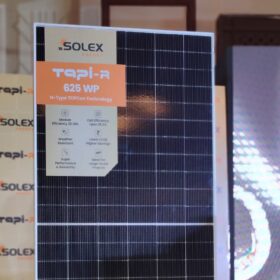
Solex Energy targets 5 GW of solar cell, 15 GW of panel manufacturing capacity by 2030
India-based Solex Energy plans to invest INR 8,000 crore ($954.5 million) by 2030 to achieve 5 GW of solar PV cell manufacturing capacity and 15 GW of module capacity.

811 MW/3.6 GWh of storage projects set for Spain’s PERTE funding
Pending approval, a total of €167.6 million ($187.1 million) has been allocated toward 46 standalone thermal and electrical energy storage projects, with a cost range from €170/kWh to €409/kWh.
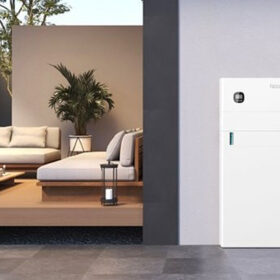
Hinen unveils all-in-one home energy storage solution
Chinese manufacturer Hinen has launched an integrated battery energy storage system with power options ranging from 3.6 kW to 25 kW for on- and off-grid residential applications.

Greece adds 1.5 GW of new solar in January-September period
The Hellenic Association of Photovoltaic Companies (Helapco) says new figures reveal that Greece’s solar sector is growing faster than expected and could reach the nation’s 2030 target of 13.5 GW by 2026. By the end of the year, its cumulative PV capacity could exceed 9.2 GW.

Construction begins on 263 MW solar plant in Uzbekistan
China Datang has started building a $150 million, 263 MW solar plant in Uzbekistan for JSC Uzbekenergo.
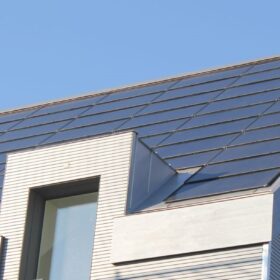
Solitek unveils 435 W rooftop photovoltaic modules
Lithuania-based Solitek announced two new 435 W modules for integrated PV roofs featuring 22.04%-efficient cell technology. The Solitek’s Solid Solrif in-roof product line is paired with mounting systems supplied by Swiss-based Ernst Schweizer AG.
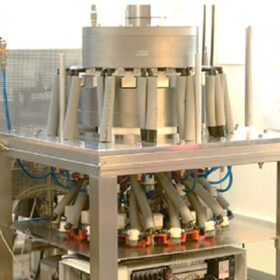
Magnetocaloric heat pump for residential applications
Researchers in Denmark built a magnetocaloric heat pump prototype for heating purposes in residential buildings. Although more work is needed to bring the system closer to commercial maturity, it can reportedly achieve a 36.9 % heating power improvement with measurement feedback control.

Power-generating breakwaters for floating photovoltaics
Scientists from Singapore have designed new floating breakwaters integrating wave energy converters that can be used to reduce the impact of waves on offshore PV systems. Their analysis showed that the wave energy systems can achieve the highest additional power output when the wavelength is shorter.
