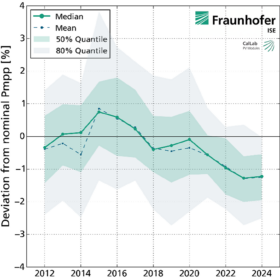
Fraunhofer ISE research finds solar module output ‘often overstated’
A longitudinal research project from the Fraunhofer Institute for Solar Energy Systems ISE reveals that since 2017, the institute has measured less power on average in a solar module than promised by the manufacturer.

Dutch startup develops sodium-ion battery tech for solar colocation
Dutch start-up develops sodium-ion battery tech for solar colocation
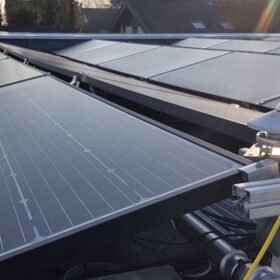
Fraunhofer ISE to assess PVT collectors, heat pumps on large-scale buildings
Fraunhofer ISE researchers, alongside partners from institutes in Stuttgart and Hameln, will monitor the performance of up to nine PVT systems on apartment buildings, businesses, offices and industry buildings over several years as part of a project building the case for wider deployment of the technology.
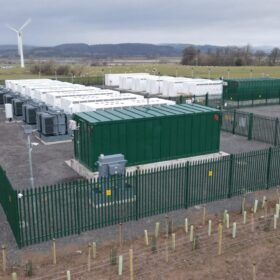
UK regulator reveals criteria for long-duration storage
Long duration energy storage (LDES) support scheme will have eight-hour minimum. First application round opens to well-established technologies, such as lithium-ion battery technology, with at least 100 MW capacity in April 2025. Flow batteries, compressed air, and liquid air likely to progress in second round, says regulator.
The Hydrogen Stream: Hyundai Motor plans fuel cell plant in South Korea
Hyundai Motor says it plans to build its first hydrogen fuel cell systems plant in South Korea by 2028, pending union consultations, expanding beyond its existing facility in China.
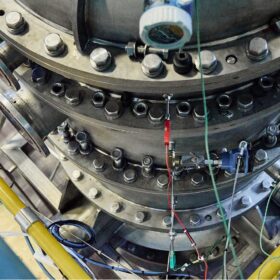
Startup shipping high purity silicon samples from pilot plasma reactor
Sweden’s Green14 is sampling material from its pilot reactor at KTH Royal Institute of Technology. The pilot has a 100 kW plasma capacity with 5 kg/h of silicon.
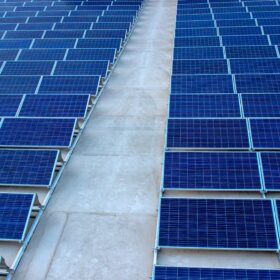
France concludes C&I rooftop PV tender with average price of €0.0982/kWh
The French authorities have concluded a commercial and industrial (C&I) rooftop PV tender with an average price of €0.0982 ($0.1067)/kWh. The government allocated 220 MW of PV capacity in total.
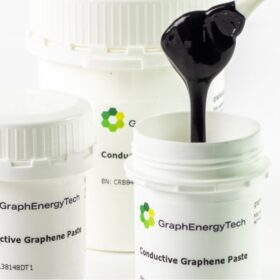
Replacing silver in PV manufacturing with new graphene electrode technology
Swiss-British university spinoff, GraphEnergyTech, is developing graphene electrode technology to replace silver and other metals traditionally used in solar cell manufacturing.

Renewables accounted for 54.1% of total electricity in Spain in February
The main source of production for the month was nuclear (22.1%), followed by hydroelectric (20.2%), wind (17.3%), photovoltaic (14%) and combined cycle (13.8%). In addition, 237 GWh have been supplied to storage facilities and 1,214 GWh have been scheduled to export energy to our neighbouring countries.

Atmoce launches new combiners, microinverters
Atmoce’s new combiner boxes can handle up to 30 kW of PV input and offer 42 kWh of battery storage. Its microinverters support PV modules up to 700 W.
