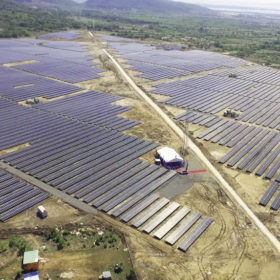
India’s NHPC tenders 2.4 GW of solar-plus-storage projects
NHPC Ltd. has launched a tender to select developers for 1.2 GW of grid-connected solar projects with energy storage systems (ESS). It also includes an option for up to 1.2 GW of additional PV capacity with ESS.
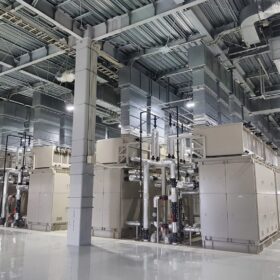
China to host 1.6 GW vanadium flow battery manufacturing complex
The all-vanadium liquid flow industrial park project is taking shape in the Baotou city in the Inner Mongolia autonomous region of China, backed by a CNY 11.5 billion ($1.63 billion) investment. Meanwhile, China’s largest vanadium flow electrolyte base is planned in the city of Panzhihua, in the Sichuan province.

Trina plans 2,640 MWh big battery for Western Australia
China’s Trina Solar has submitted plans to build 660 MW/2,640 battery storage facility at Kemerton in an industrial zone south of Perth, Western Australia.
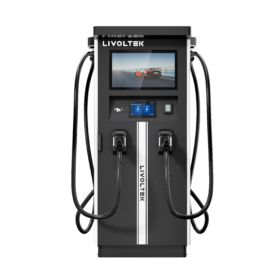
Livoltek launches 120 kW EV chargers
China’s Livoltek says it has developed 120 kW electric-vehicle chargers with 140 kW input and a 100 kWh LFP battery, supporting the CHAdeMO, GB/T, CCS1, and CCS2 standards.
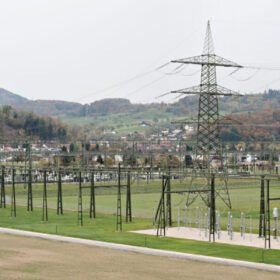
Switzerland to host world’s largest redox flow storage project
Flexbase plans to build a 500 MW redox flow storage project in Laufenburg in early 2025.
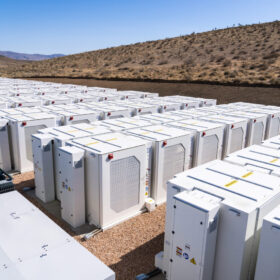
JSW Energy, Reliance Power win SECI’s new 1 GW/2 GWh storage tender
JSW Neo Energy and Reliance Power have secured 500 MW each in Solar Energy Corp. of India’s (SECI) latest tender to set up 1 GW/2 GWh of standalone battery energy storage projects.

Firebrick thermal energy storage could reach 170 GW in the U.S. by 2050
Firebrick heat storage technology, not batteries, will be used to store energy for industrial process heat in a 100% renewable energy system, says a study out of Stanford University.

German startup offers design tool for heat pump installers
German software company Autarc launched a platform for residential heat pump projects, covering design, planning and customer project management functionality. It uses LiDAR imaging to enable heat load and hydraulic balancing calculations, as well as visualizations.
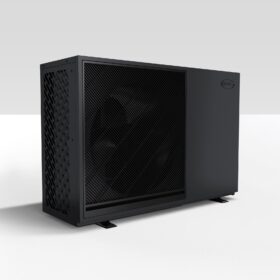
Grant launches air source heat pump for residential applications
The novel propane heat pump has a coefficient of performance of up to 4.9 and can reportedly achieve a flow temperature of up to 55 C.

Fronius debuts hybrid residential solar inverter
Designed for U.S. solar installations, the GEN24 Plus inverter enables users to connect their solar array to home energy storage.
